The site sets no cookies and runs no analytics or advertising. It can keep only two things in this browser: your decision here, so that you are not asked again, and, if you allow it, your reading adjustments (text size, contrast, spacing, underlined links and reduced motion) for your next visit.
Without this, adjustments apply to the current page only and reset when you move to another page. No name, identifier, timestamp or page list is stored, and nothing is sent to the server.
The decision itself is always stored, as one key in the browser’s local storage (atiqot.consent.v1), even when you choose not to save adjustments. You can change it at any time in the reading and privacy tools or through the link at the bottom of every page. Operational cookies of the hosting or security provider are outside the site’s control.
Two documented objects side by side: dating as the source words it, material, dimensions, culture, holder and display status. The comparison shows what the records say and claims no link between the objects.
Compare two objects
Compared aspect: Two blown glass jugs, two techniques: dip mold with trails versus a four-part mold
The photograph could not be loaded
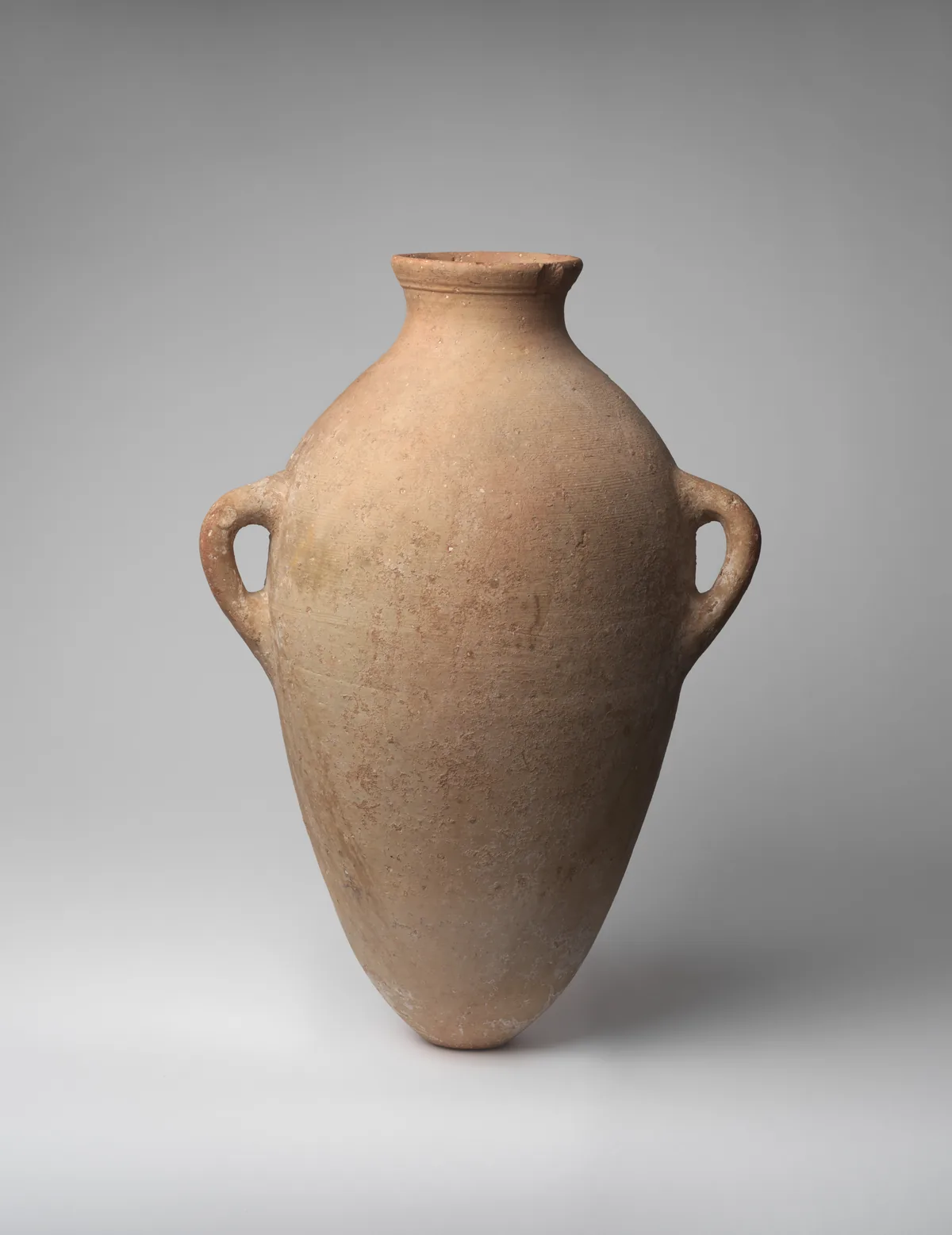
Photograph of the object Glass jug, fourth-sixth century CE, attributed to Roman Syria. Collection comparison from The Met, 91.1.1361; no exact findspot is stated.The Metropolitan Museum of Art · 91.1.1361 · Edward C. Moore Collection, Bequest of Edward C. Moore, 1891 · CC0 · Source · CC0 1.0
A small blue-green glass jug with blue trails around the rim and neck. The record gives a three-century range that crosses the site's boundary between "Roman" and "Byzantine", so the jug is not placed on the timeline.
The photograph could not be loaded
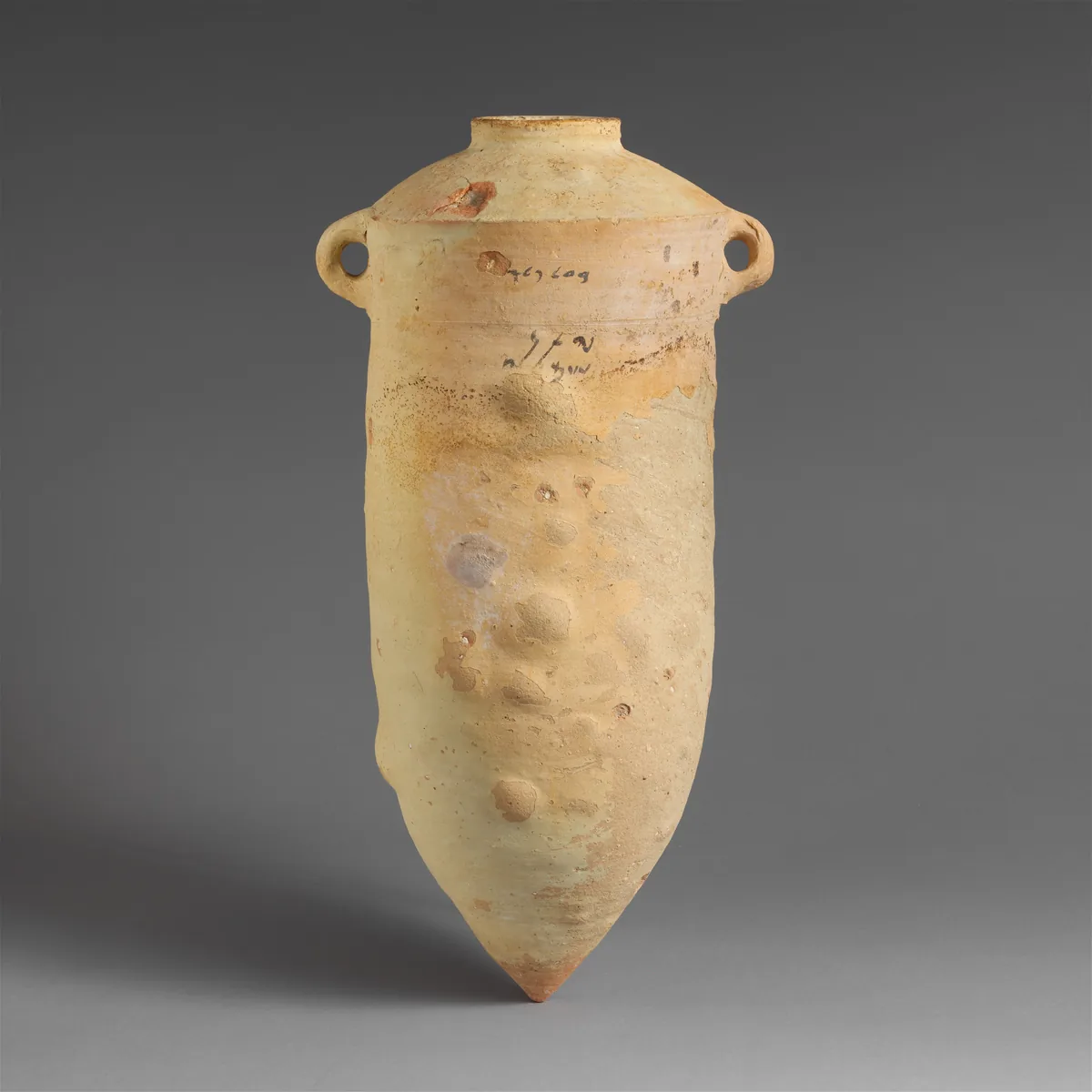
Photograph of the object Roman glass jug blown in a four-part mold, first half of the first century CE. A museum comparison for manufacturing techniques, not from the Nazareth excavation. The Met, 12.212.3.The Metropolitan Museum of Art · 12.212.3 · Rogers Fund, 1912 · CC0 · Source · CC0 1.0
A turquoise-green glass jug 9.5 cm high, blown in a four-part mold. The record documents the mold seams on the vessel but does not say where the jug came from; it is therefore recorded in the region "place not stated".
Syrian glass jug with cobalt trails · Roman mold-blown glass jug
The Metropolitan Museum of Art, New York · Gallery 171, The Met Fifth Avenue According to the museum record as read on 22.10.2026; display changes, so check before visiting.
The Metropolitan Museum of Art, New York · Gallery 168, The Met Fifth Avenue According to the museum record as read on 22.10.2026; display changes, so check before visiting.
Adjust the reading experience to suit you. These tools complement your browser and device accessibility settings. Changes apply to this page; they are kept for another visit only if you allowed that in the privacy dialog.
Your choices apply to this page only. Moving to another page restores the defaults.