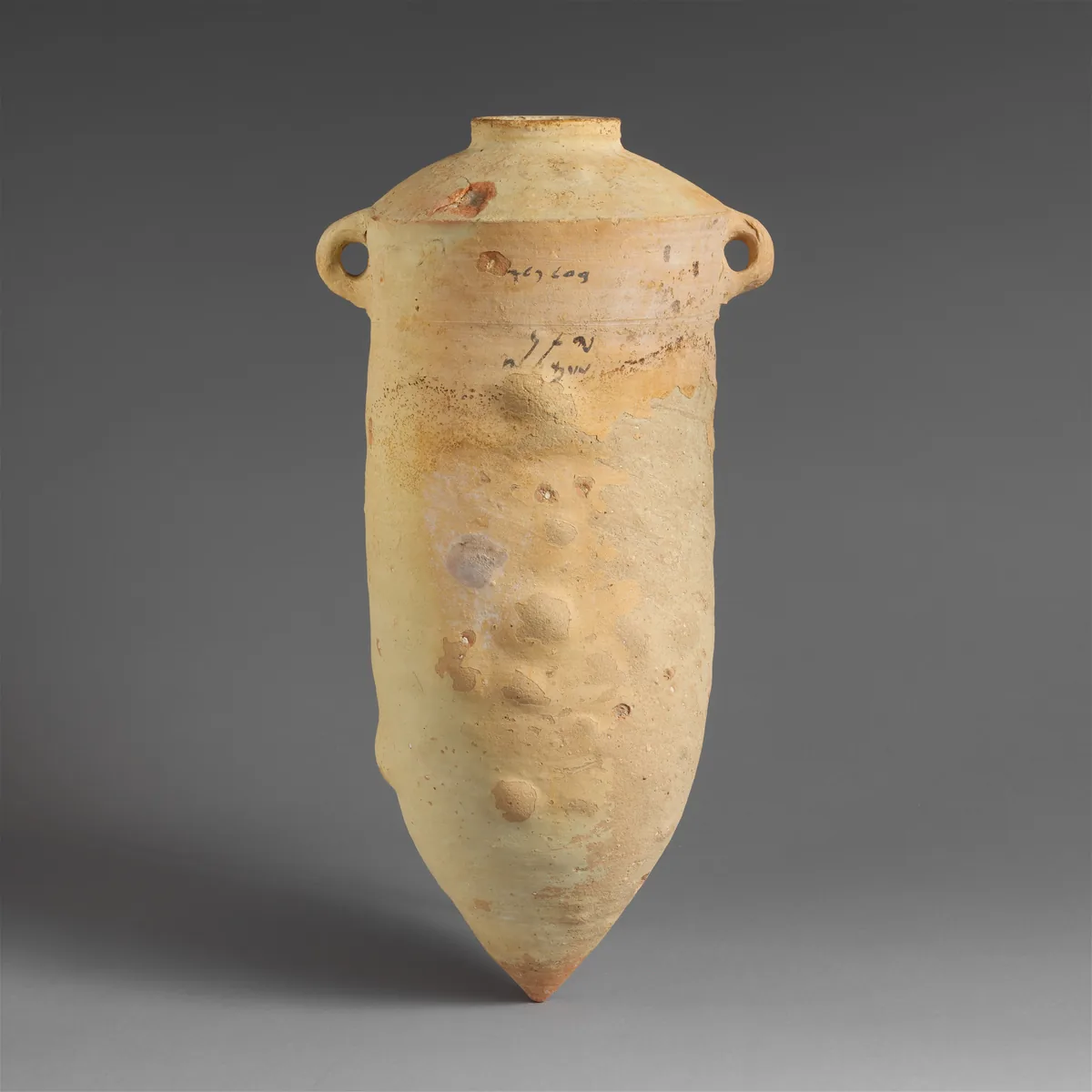
KINDS OF FINDS
Inscriptions: read the text as an object
Words are only part of the evidence. Writing surface, preservation and find context belong to the same reading question.
Read moreEXPLORE THROUGH OBJECTS
From an inscription to a ceramic vessel: reading routes that begin with an object and ask how it becomes evidence.
Pottery, inscriptions, coins and weapons pose different questions. Start with a find category, continue to a method guide and compare a case study. Material and function are different categories: a ceramic vessel can bear writing, while stone can serve several kinds of tool.
KINDS OF FINDS
Words are only part of the evidence. Writing surface, preservation and find context belong to the same reading question.
Read more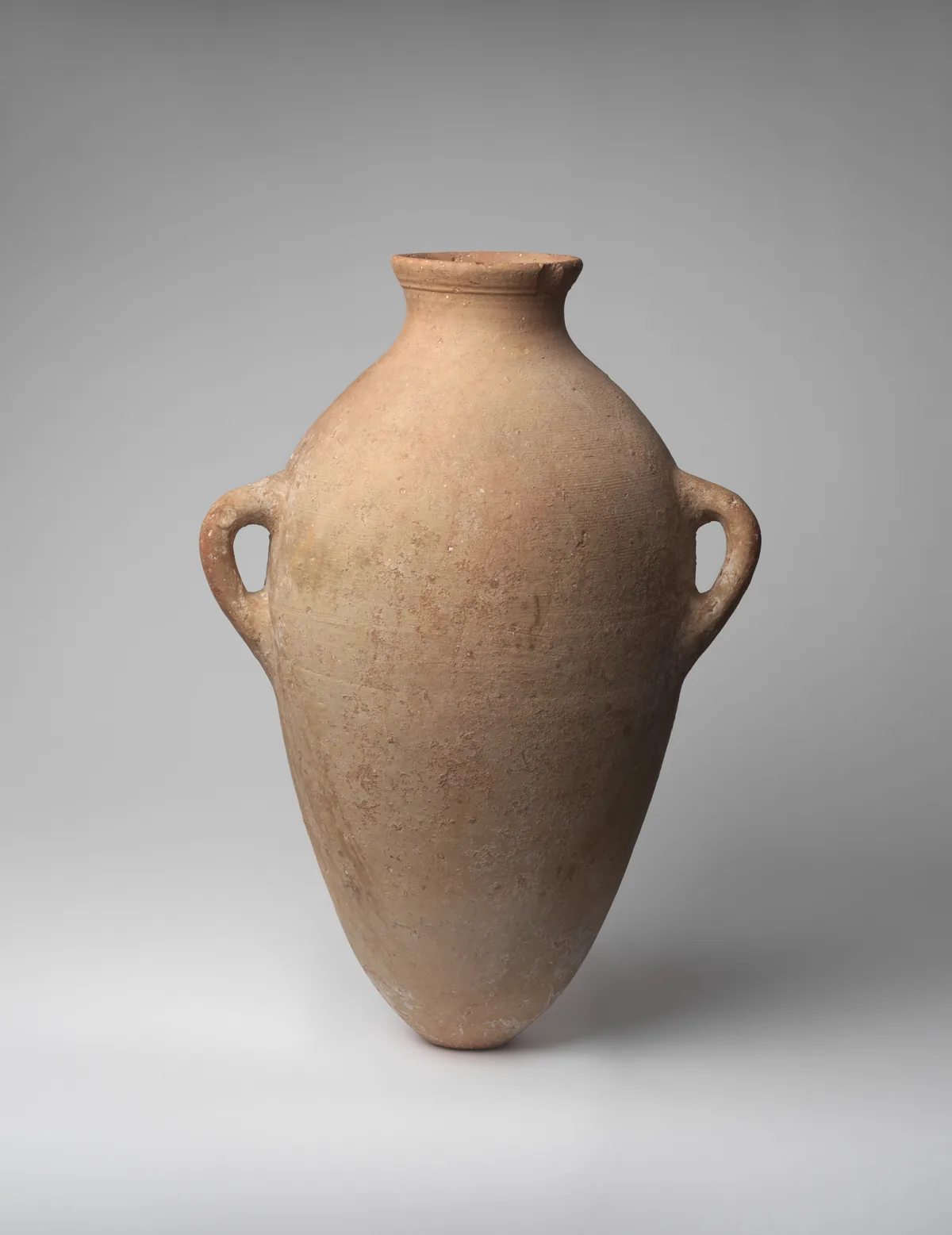
KINDS OF FINDS
Read a sherd as part of an assemblage, and ask why a similar shape is only the beginning of identification.
Read more
READING OBJECTS
Start with documented identification and continue into context: a route to the coin guide and the Persian and Roman periods.
Read more
READING OBJECTS
Slingstones, spearheads and swords raise different questions. Learn to separate an object’s identification from evidence for a battle.
Read moreAdjust the reading experience to suit you. These tools complement your browser and device accessibility settings. Changes apply to this page; only an explicit choice to remember them saves them for another visit.
Your choices apply to this page only. Moving to another page restores the defaults.