Seeing and verifying
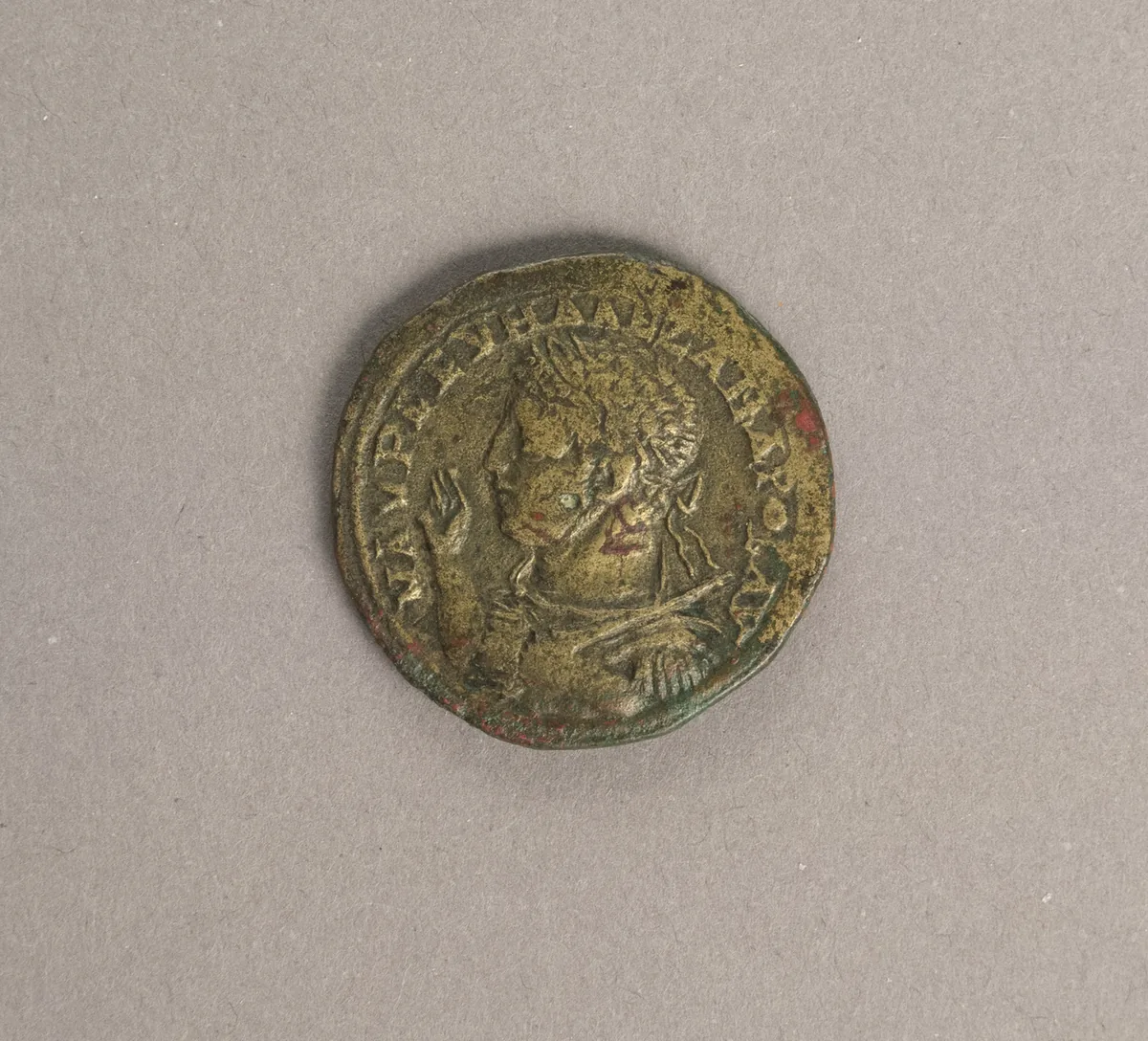
A coin photograph allows inspection of imagery, lettering and visible wear. Material, weight, dimensions and date need a reliable record; an image alone is not an authenticity test. The daric and Cyzicus coin shown in this library are identified museum comparisons, not coins from the excavation cases discussed here. Sources: C15, C14.
A single find and an associated group
A single coin can enter the ground in many ways. A hoard adds questions about composition, a container and completeness of recovery. The difference is not merely numerical: relationships among objects form part of the evidence. A group should not become a selection of attractive pieces stripped of context.
An identification record before a historical story
Start with one record and follow its catalogue reference. Check whether both faces are illustrated, how much lettering survives and where the catalogue supplies a reading that the small image cannot confirm. Copy the date as the source presents it, including any range or question mark. Mark each detail as recorded information, an author’s identification or your own suggestion. This lets you follow an argument without pretending to have examined the coin itself.
After identification, make a sequence in words: minting, possible use, entry into the ground and discovery. These remain separate questions even when only one has a date. To connect a coin with a layer, find its recorded context and the discussion of whether it was already old when it arrived. You need not invent a circulation period; leave the interval unknown when the source cannot narrow it.
Qula: what remains to be read
The Qula case in the detailed guide concerns a Roman antoniniani hoard, not the Persian daric pictured here. Source: R06. Publication details and abstracts were checked, but the full catalogue was not. This page therefore does not settle the coin count or exact deposition date. For deeper study, seek the item list, the argument identifying the latest coin, and the recorded container and excavation context where available. Even a well-identified group does not explain by itself who deposited it or why they did not return.
Choose a question
For chronology begin with the coin guide, which separates minting and deposition. For political imagery visit the Persian and Roman periods and consider both the information a symbol supplies and its limits. For excavation context open the layers guide. Identification starts the enquiry; it does not finish it.
The library addresses archaeological meaning. Present monetary value, ownership, availability for sale and commercial authentication do not follow from these examples.