RESEARCH & METHOD
Reading layers: how an archaeological sequence is built
Floors, pits, fills and walls are evidence of actions. A worked example shows how their relationships form a sequence-and why a sequence is not yet a calendar.
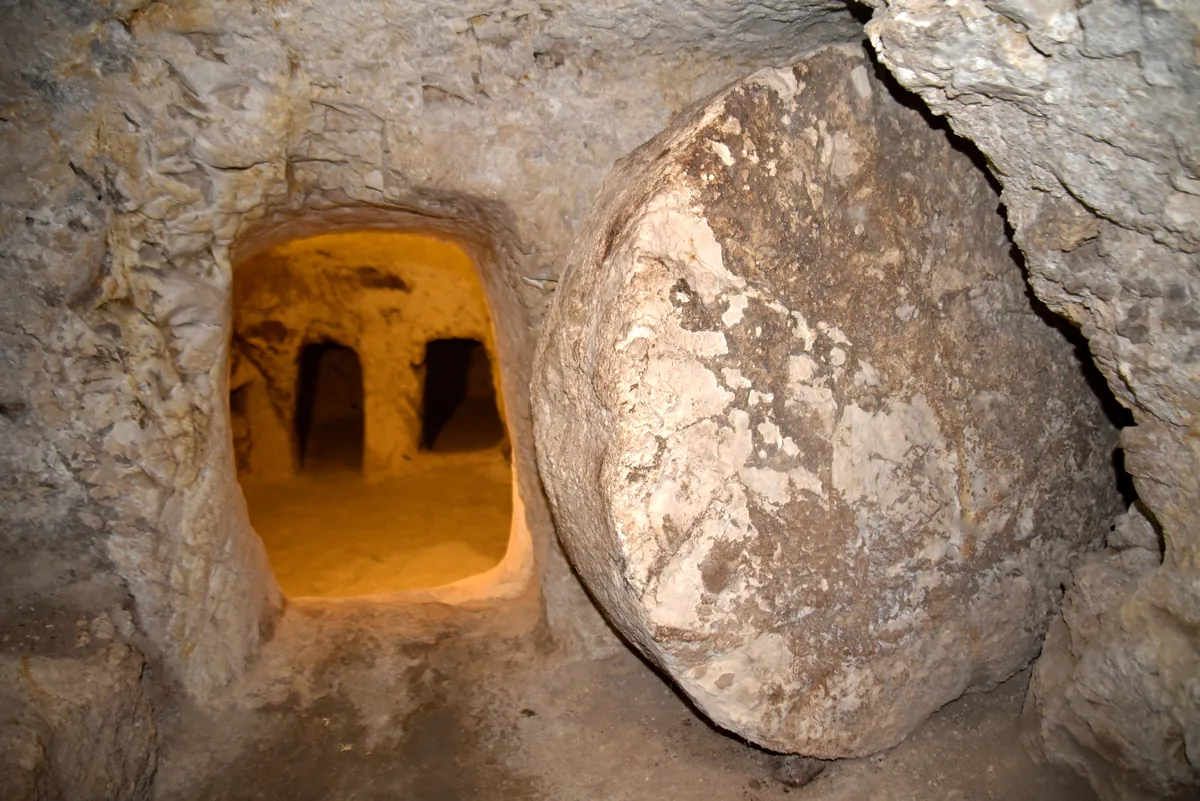
The explanations distinguish finds, interpretations and open questions. Sources appear at the end of the page.
Layer, context and phase
Stratigraphy investigates relationships between deposits and other units at a site. It helps establish what preceded what; it does not mean that everything deeper is always older. A later pit can cut earlier deposits, while a fill can contain old objects moved from elsewhere. Context includes a find's relationships to its surroundings and to other finds. Introductory sources: M05, M06.
Distinguish an excavation unit, a deposit and a phase. A unit is something excavators separated and recorded; a deposit forms part of the physical sequence; a phase groups components into an interpretation of activity. Terminology differs among reports, so read each publication's definitions. A unit number is not a date, and a higher number need not indicate a later event.
Worked example: a pit cutting a floor
The following is an invented teaching example, not an excavation report. Imagine a wall with an adjoining floor, a pit cut through that floor and a fill closing the pit. A basic sequence follows: the floor existed before it was cut; digging preceded filling. The wall and floor need separate investigation to establish whether they were built together or whether the floor met an already standing wall.
Now add an old bowl fragment and a later coin within the fill. They need not have been used together. The sherd could have arrived in soil dug from an earlier deposit. The coin may constrain the earliest possible formation of the fill if its identification and context are reliable. It still does not supply the day the pit was excavated.
A cut records an action
Missing material can be as significant as surviving material. A pit edge, foundation trench or interruption in a floor can register digging or dismantling. A flat plan may make the relationship difficult to understand; a recorded section adds the vertical dimension. A useful report therefore goes beyond a list of walls and objects to explain their contacts.
Describe our example with verbs: build, lay, dig, fill. Then connect only pairs with an observed relationship. If two units do not meet and no evidence connects them, their order need not be forced. A transparent partial sequence is better than an apparently complete one supplied by guesswork. It also identifies exactly what further evidence would need to resolve.
Sequence is not yet a calendar
A floor can be earlier than a pit without its century being known. Dating connects the sequence to suitable finds or measurements. The question is not merely “how old is this object?” but “which action does it date?” A sample in a fill need not date construction; an object resting on a floor need not date the laying of that floor.
For each conclusion identify three parts: a physical relationship, dating evidence and the assumption connecting them. If a part is missing, narrow the claim. You may establish that filling followed cutting while leaving the intervening duration open. This lets readers see the basis of an argument without mistaking emphatic wording for evidence.
Why this changes a site's story
The Nazareth article explores how a local excavation informs settlement history. Newe Yam presents another problem: spatial proximity does not require a shared date, especially where objects may move. Do not transfer this imaginary sequence to those sites; use it to recognise the relationships that their publications would need to document.
At the end of a reading, aim to explain more than “several periods are present”. What connects them: construction over a building, a cut through a floor, reuse, or separation without contact? That is the transition from an object collection to a supported account of human actions.
Source
Sources and further reading
The research and references behind this page. Rights to external content remain with their owners.
- M05
What is Archaeology?
Society for American Archaeology
- M06
What do Archaeologists do?
Society for American Archaeology
Follow the next connection
METHOD GUIDE · TIME & CONTEXT
How are archaeological finds dated?
A date connects a question, a sample and a method. A guide to reading ranges, comparisons and the strength of a chronological claim.
3 min read, approximatelyRead the articleMETHOD GUIDE · EVIDENCE & INTERPRETATION
How to read archaeological research
A practical route from question to evidence and from evidence to interpretation. You do not need to know every technical term to begin reading carefully.
4 min read, approximatelyRead the article
READING A FIND · NAZARETH
Nazareth: reading a settlement through its layers
What can a small excavation tell us about settlement, and why do successive layers not necessarily mean uninterrupted occupation?
4 min read, approximatelyRead the article