Jerusalem connects the articles in this route, but their contexts and periods differ. Do not read them as if the objects came from one room or belonged to the same users. Begin each time with the precise location and the study’s scope.
Two objects, two questions
The inscription asks how the function of a fragmentary text is identified. The ivories ask how an argument about craft and connections is built. In both cases, a useful explanation also makes the unresolved points visible.
Connect place and time
Regev and colleagues’ chronology study combines measurements and excavation context to investigate building history in Jerusalem. Source: C02. It offers another reading route: consider how time was established alongside what an object might mean.
For a first visit, choose one article and note where local evidence ends and wider comparison begins. The city photograph is a modern orientation view, not documentation of an excavated layer or a reconstruction of ancient Jerusalem.
Three layers of information
Separate find location, formation of the context and the question an object can answer. These need not operate at the same scale. A small fragment may be highly legible while its pre-depositional movement remains uncertain. A carefully documented building does not identify everyone who lived there. Linked articles keep those distinctions visible.
Compare without merging
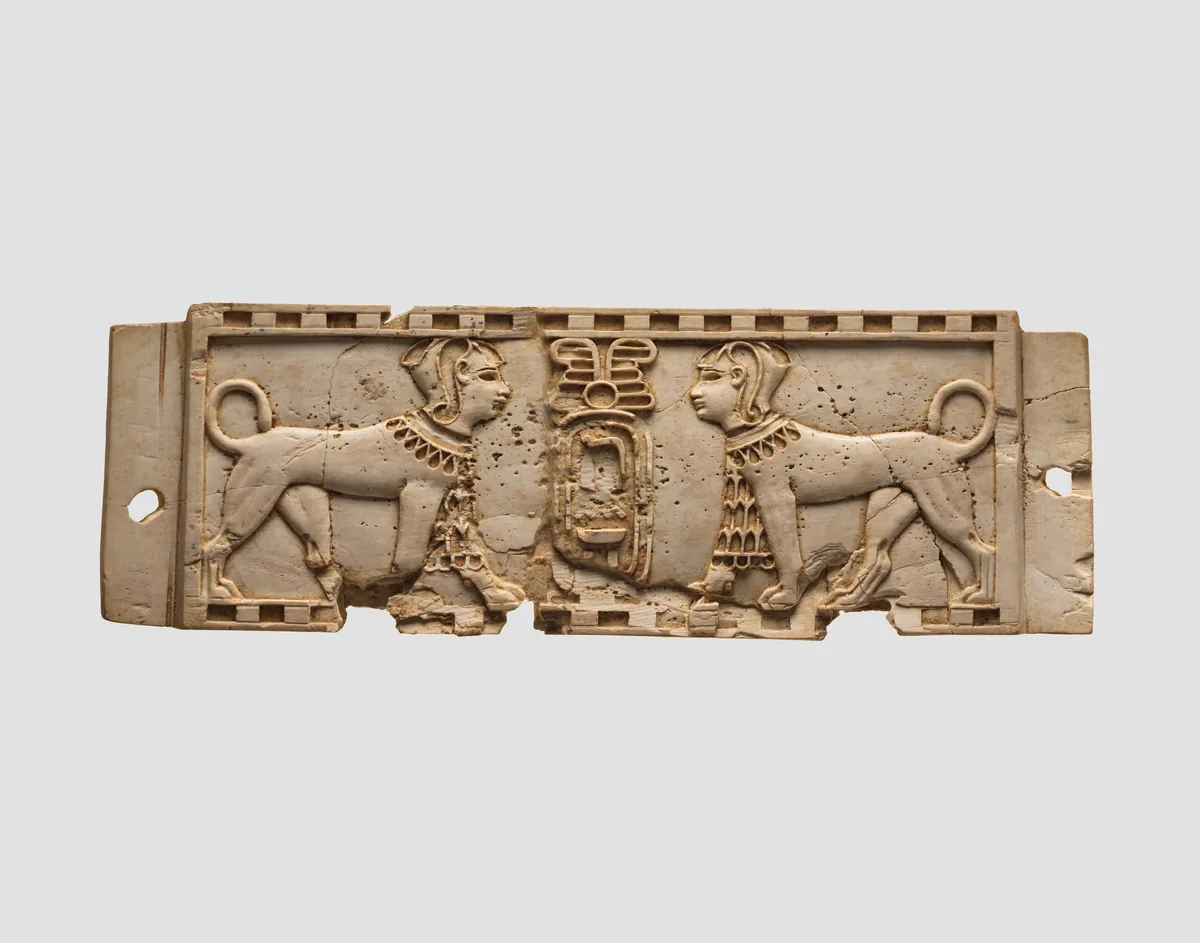
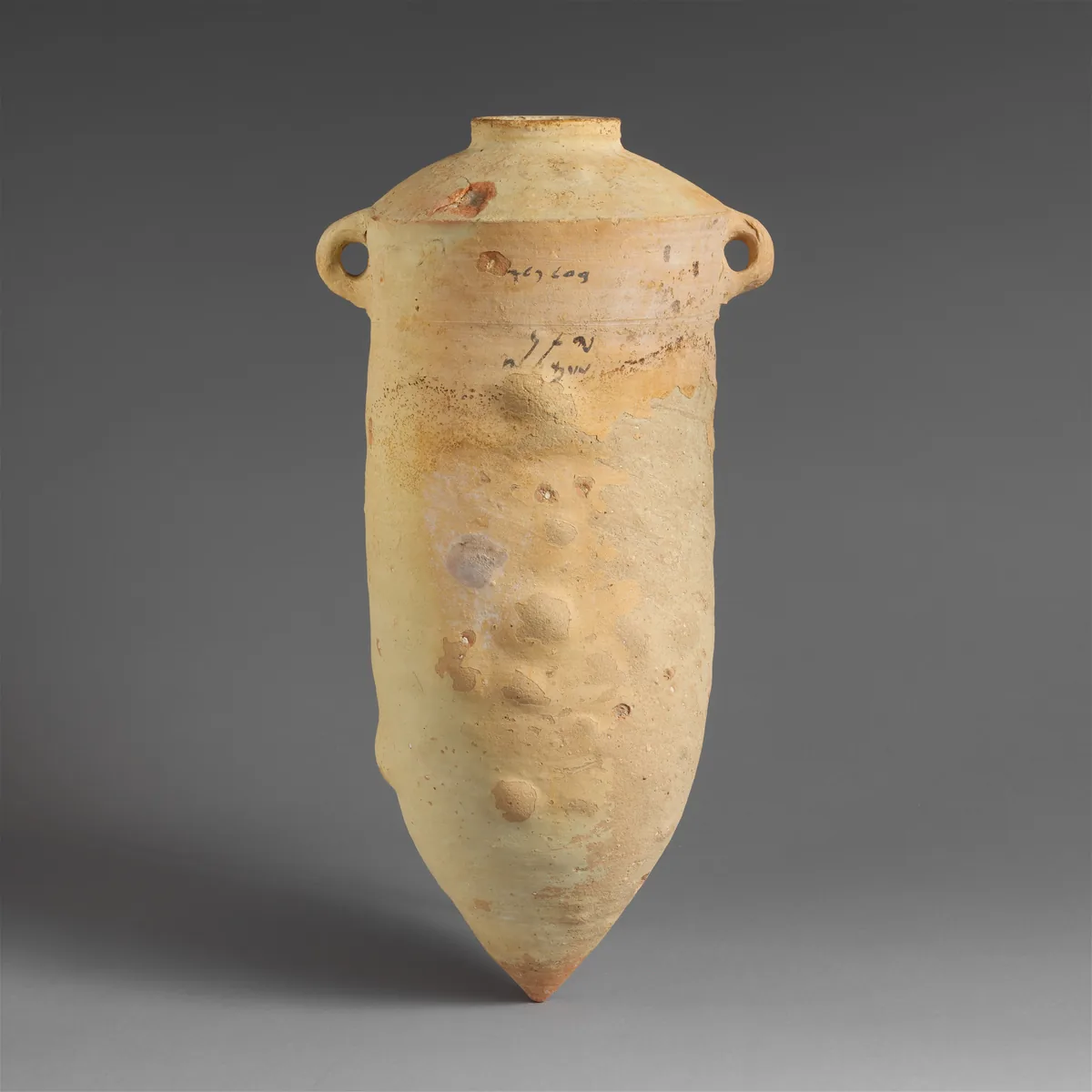
Make a short card for the inscription and the ivories: material, context, question and limitation. The stories are not chapters of one event. The inscription concerns signs and document function; the ivories concern workmanship, use and social setting. Comparison helps precisely because the questions differ.
The visible city and the investigated city
A modern panorama shows today's buildings and topography. An excavation plan records units within a particular research window. The former cannot supply missing details in the latter. Move from this place page to the layers guide and then to a find article. Photography provides orientation; the report supplies the argument.
Source
Sources and further reading
The research and references behind this page. Rights to external content remain with their owners.
Johanna Regev, Yuval Gadot, Joe Uziel, Ortal Chalaf, Yiftah Shalev, Helena Roth, Nitsan Shalom, Nahshon Szanton, Efrat Bocher, Charlotte L. Pearson, David M. Brown, Eugenia Mintz, Lior Regev, Elisabetta Boaretto · 2024
Ivory furniture plaque from Nimrud, Mesopotamia, ca. 9th-8th century BCE, in Phoenician style. Shown for comparison; this is not one of the Jerusalem ivories. The Met, 62.269.4.The Metropolitan Museum of Art · 62.269.4 · Rogers Fund, 1962 · CC0 · Source · CC0 1.0
Cypriot amphora with a painted Phoenician inscription, sixth-fifth century BCE. A comparison for writing on vessels; not the Jerusalem inscription. The Met, 74.51.2300.The Metropolitan Museum of Art · 74.51.2300 · The Cesnola Collection, Purchased by subscription, 1874-76 · CC0 · Source · CC0 1.0
Adjust the reading experience to suit you. These tools complement your browser and device accessibility settings. Changes apply to this page; only an explicit choice to remember them saves them for another visit.
Your choices apply to this page only. Moving to another page restores the defaults.