RESEARCH & METHOD
Reading an ancient inscription: from mark to claim
Photograph, transcription, reconstruction and translation are different steps. A guide to reading names, numbers and meaning on objects.
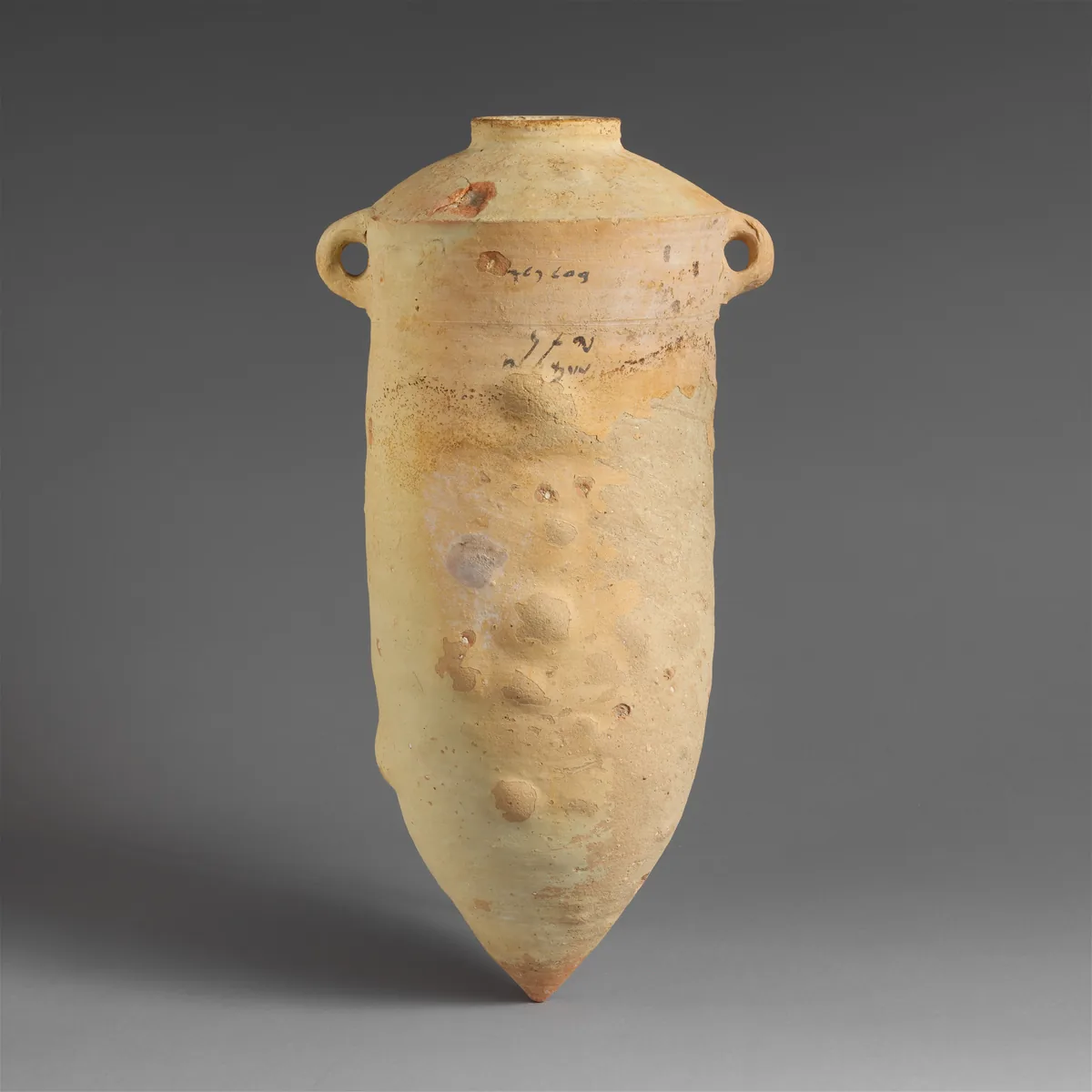
The explanations distinguish finds, interpretations and open questions. Sources appear at the end of the page.
An inscription is also an object
Before reading a word, ask what bears it. Pottery, stone and coins are not neutral backgrounds: their shape, breakage and discovery context affect interpretation. Marks on a fragment need not form a complete document, and an inscription near a building need not have been created there. Begin with what survives and its documented context.
Separate four working layers. A photograph presents the surface; a transcription proposes the signs read; a reconstruction suggests missing material; a translation conveys meaning in another language. Ordinary retelling can merge them into one confident sentence. Careful reading keeps them distinct, especially where letters or numbers are incomplete.
Two different kinds of written object
The Jerusalem inscription discussed in this library preserves part of a list of names and amounts on stone. Its researchers compare it with payment lists, but its precise relationship to the inscribed object's use remains unresolved. Source: R03. That comparison should not become an unequivocal “receipt”, nor should a person's occupation be supplied from a partial line.
The illustrated amphora is a Cypriot museum object dated to the sixth-fifth centuries BCE. Its catalogue reads names in a Phoenician inscription while retaining uncertainty about identifying one as an owner. Source: C16. This comparison concerns writing on a vessel; it is not the Jerusalem inscription or a substitute photograph of that find.
What a question mark does
“Perhaps” and “probably” indicate where several explanations remain possible. If a transcription restores a missing letter and a name depends on it, the proposed identification depends on that restoration too. A translation without the qualification may read more smoothly while changing the evidence presented by the source.
Try writing each claim on a separate line and marking whether it depends on a visible sign, a comparison or a restoration. Then mentally remove the restoration and ask what remains. This reveals the stable core and the part that might change with a better photograph or a new reading.
Date of writing, date of object
An object can have several stages: manufacture, inscription, reuse and deposition. Even when letter forms support a proposed date, compare it with the archaeological context. The stages need not coincide. Reuse should be supported by marks or relationships, not merely by an imaginable story.
Imagine an inscribed stone that broke and entered a fill: a teaching example only. The fill might date later deposition without showing where or why the stone was inscribed. Transferring the meaning of the find location to the writing location could create an “inscription of the building” without demonstrated association.
Names and numbers without invented biography
A personal name can matter without identifying a famous person from another text. An amount can attest numerical recording without establishing the transaction. Every move from words to a social story needs an additional argument. Ask whether comparable formulas occur in independent evidence and whether differences of date and place are preserved.
The best reading is not the one that restores the most words. It shows which words survive, which are proposed and what can follow from each. Continue with the Jerusalem case and layers guide to connect linguistic evidence with the object's physical context. Together they help produce a conclusion that readers can inspect and revise.
Source
Sources and further reading
The research and references behind this page. Rights to external content remain with their owners.
- R03
A Second Temple Period Inscription on a Stone Ossuary Lid from the City of David, Jerusalem
Esther Eshel, Nahshon Szanton · 2023
Research record in this library - C03
Lachish Ostracon VIII (Lachish Letter VIII), collection record 125704
British Museum
- C16
Terracotta amphora with Phoenician inscription, collection record 74.51.2300
The Metropolitan Museum of Art
Follow the next connection
INSCRIPTION · JERUSALEM
Names and sums on a stone in Jerusalem
A short inscription opens a larger question about everyday life: how do we distinguish the surviving text from its proposed function?
3 min read, approximatelyRead the article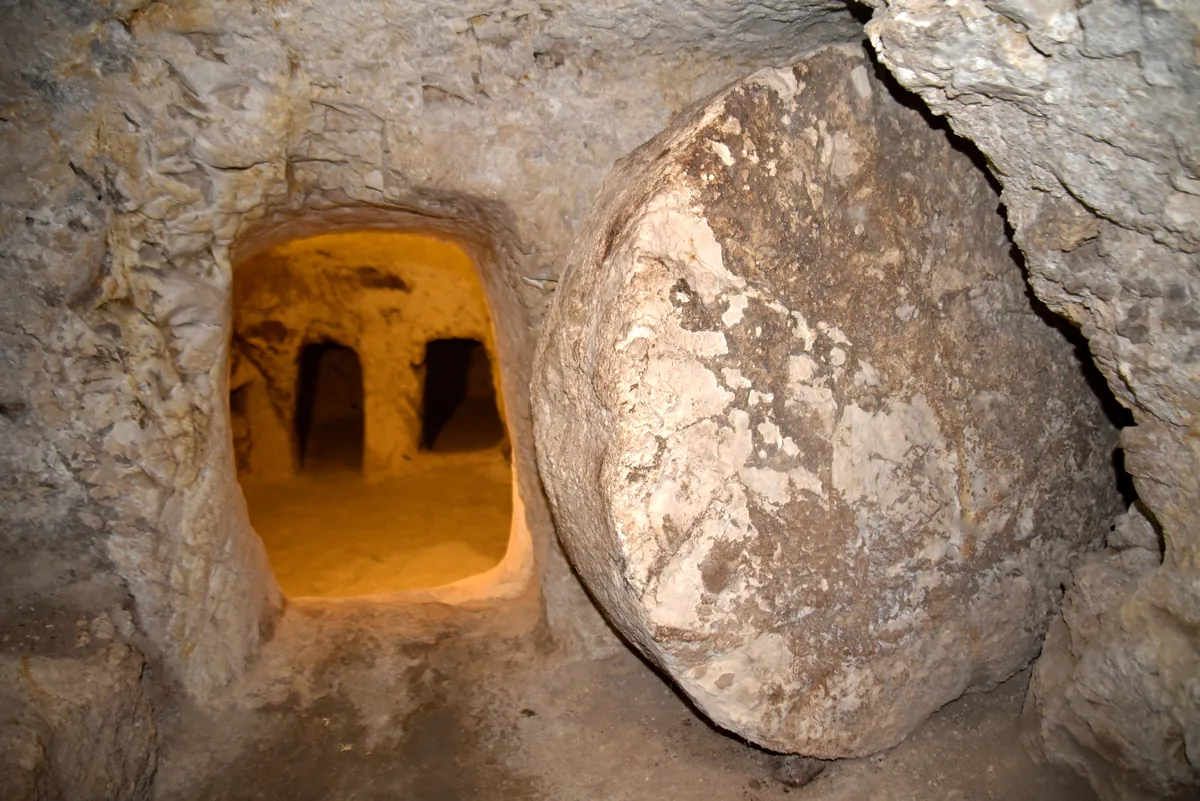
RESEARCH & METHOD
Reading layers: how an archaeological sequence is built
Floors, pits, fills and walls are evidence of actions. A worked example shows how their relationships form a sequence-and why a sequence is not yet a calendar.
3 min read, approximatelyRead the articleMETHOD GUIDE · EVIDENCE & INTERPRETATION
How to read archaeological research
A practical route from question to evidence and from evidence to interpretation. You do not need to know every technical term to begin reading carefully.
4 min read, approximatelyRead the article