THE LIBRARY

Articles and guides

Selected case studies and useful reading questions: what was found, how was it studied and what follows from the evidence?

Eleven articles and guides connect case studies with methods: layers and dating, critical reading, pottery, coins, inscriptions and raw materials. Choose a question, then follow the sources and related reading. Checking an abstract is never presented as reviewing an entire paper.

Find an article by subject

11 articles and guides

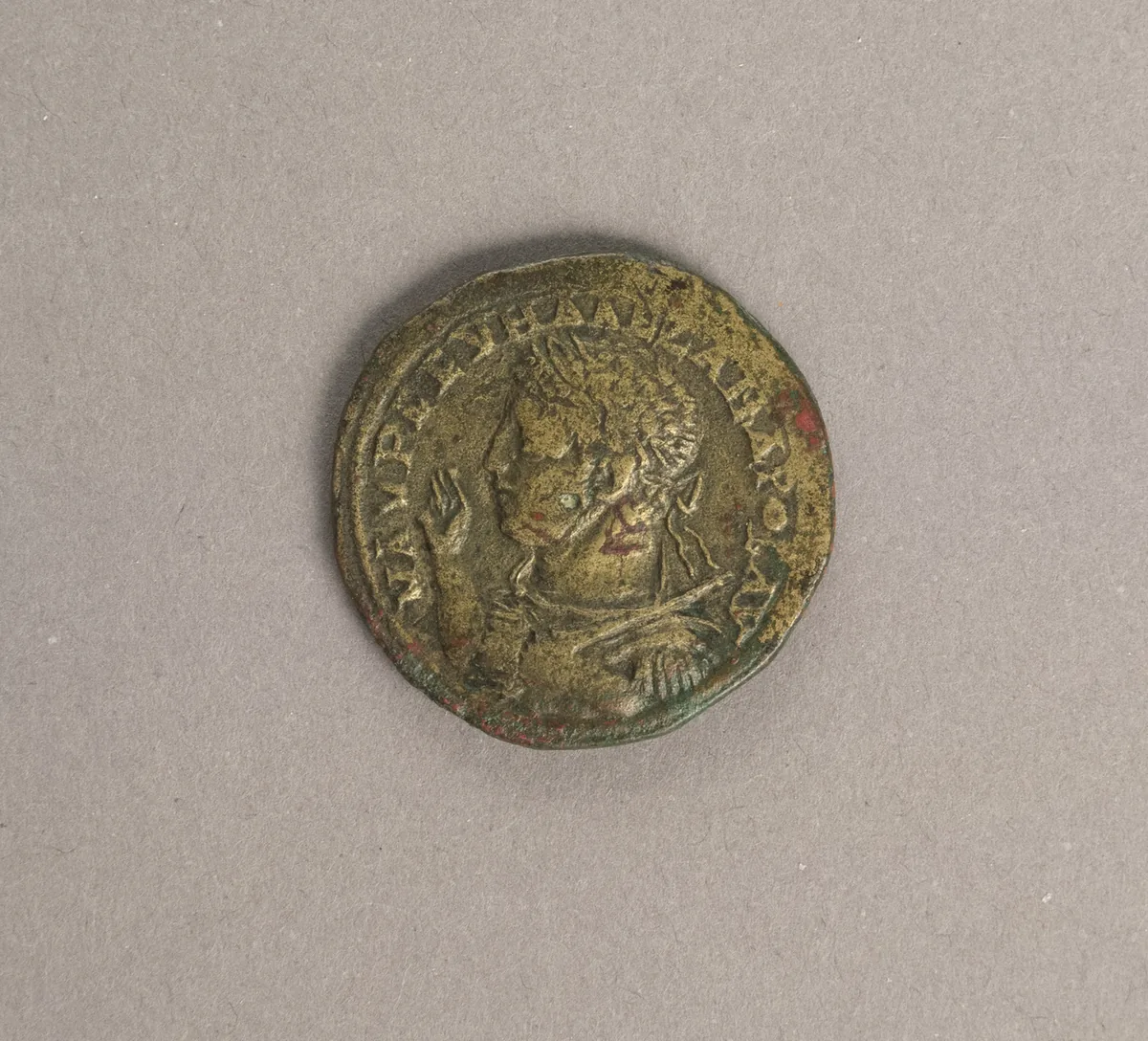
Reverse of a worn Roman bronze coin, with figures and lettering around the edge
Bronze coin of Cyzicus in Asia Minor, 222-235 CE; reverse. A Roman comparison, not a coin from the Qula hoard. The Met, 08.170.259.The Metropolitan Museum of Art · 08.170.259 · Rogers Fund, 1908 · CC0 · Source · CC0 1.0

RESEARCH & METHOD

Coins and hoards: date, context and economy

Why a minting date differs from a burial date, and why a hoard is not a simple snapshot of money in circulation. Museum examples and the Qula case explain the distinction.

3 min read, approximatelyRead the article
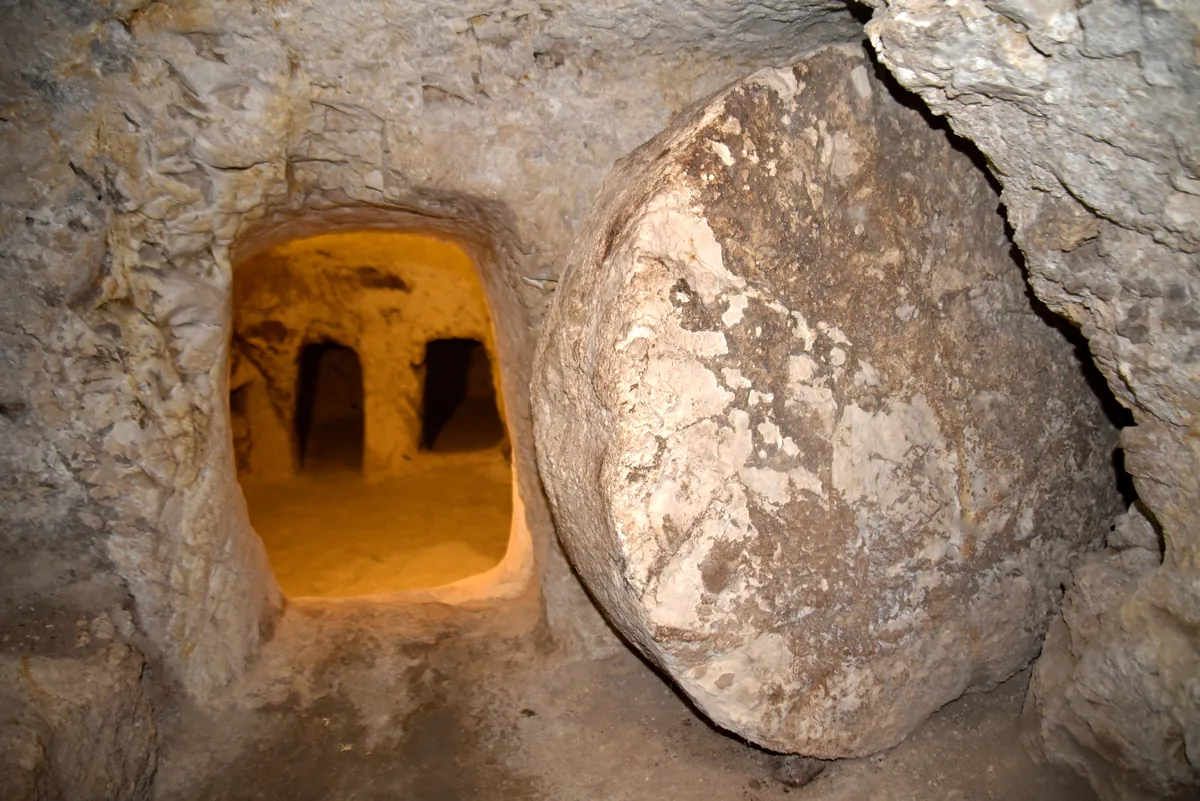
A rock-cut doorway and round stone beside a tomb chamber beneath the Sisters of Nazareth Convent
Archaeological remains beneath the Sisters of Nazareth Convent; Bahnfrend, April 2019. A different site from the excavation discussed in our Nazareth settlement article. Resized and converted to WebP.Bahnfrend · Sisters of Nazareth Convent archaeological site, 2019 (06) · Wikimedia Commons · CC BY-SA 4.0 · Source · CC BY-SA 4.0

RESEARCH & METHOD

Reading layers: how an archaeological sequence is built

Floors, pits, fills and walls are evidence of actions. A worked example shows how their relationships form a sequence-and why a sequence is not yet a calendar.

3 min read, approximatelyRead the article
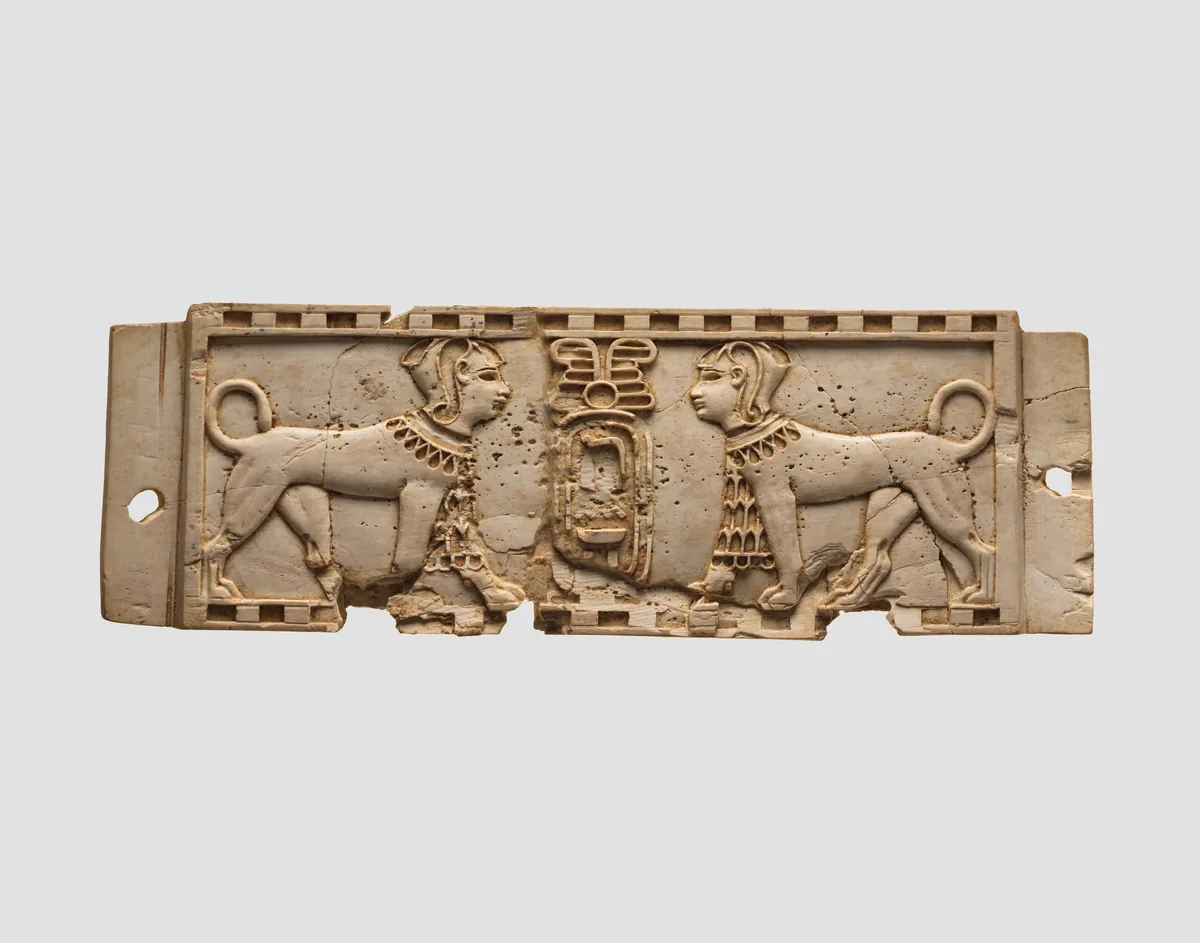
Ivory plaque from Nimrud with two sphinxes facing a central cartouche
Ivory furniture plaque from Nimrud, Mesopotamia, ca. 9th-8th century BCE, in Phoenician style. Shown for comparison; this is not one of the Jerusalem ivories. The Met, 62.269.4.The Metropolitan Museum of Art · 62.269.4 · Rogers Fund, 1962 · CC0 · Source · CC0 1.0

CRAFT & MATERIAL CULTURE · IRON AGE

Jerusalem ivories: craft, decoration and connections

Decorated ivory panels raise questions about choices, resources and shared traditions. Read the argument without inventing a name for the owner.

4 min read, approximatelyRead the article
Oval steatite seal base engraved with a crocodile-headed figure holding a flower
Base of a scarab seal from Canaan, ca. 1640-1550 BCE, with a crocodile-headed figure. Glazed steatite museum comparison; The Met, 10.130.398. No specific findspot is stated.The Metropolitan Museum of Art · 10.130.398 · Gift of Helen Miller Gould, 1910 · CC0 · Source · CC0 1.0

METHOD GUIDE · CONNECTIONS

Materials and exchange: reading connections between places

Similar objects do not make a trade map. Distinguish raw materials, manufacture, style and movement through examples and research questions.

3 min read, approximatelyRead the article
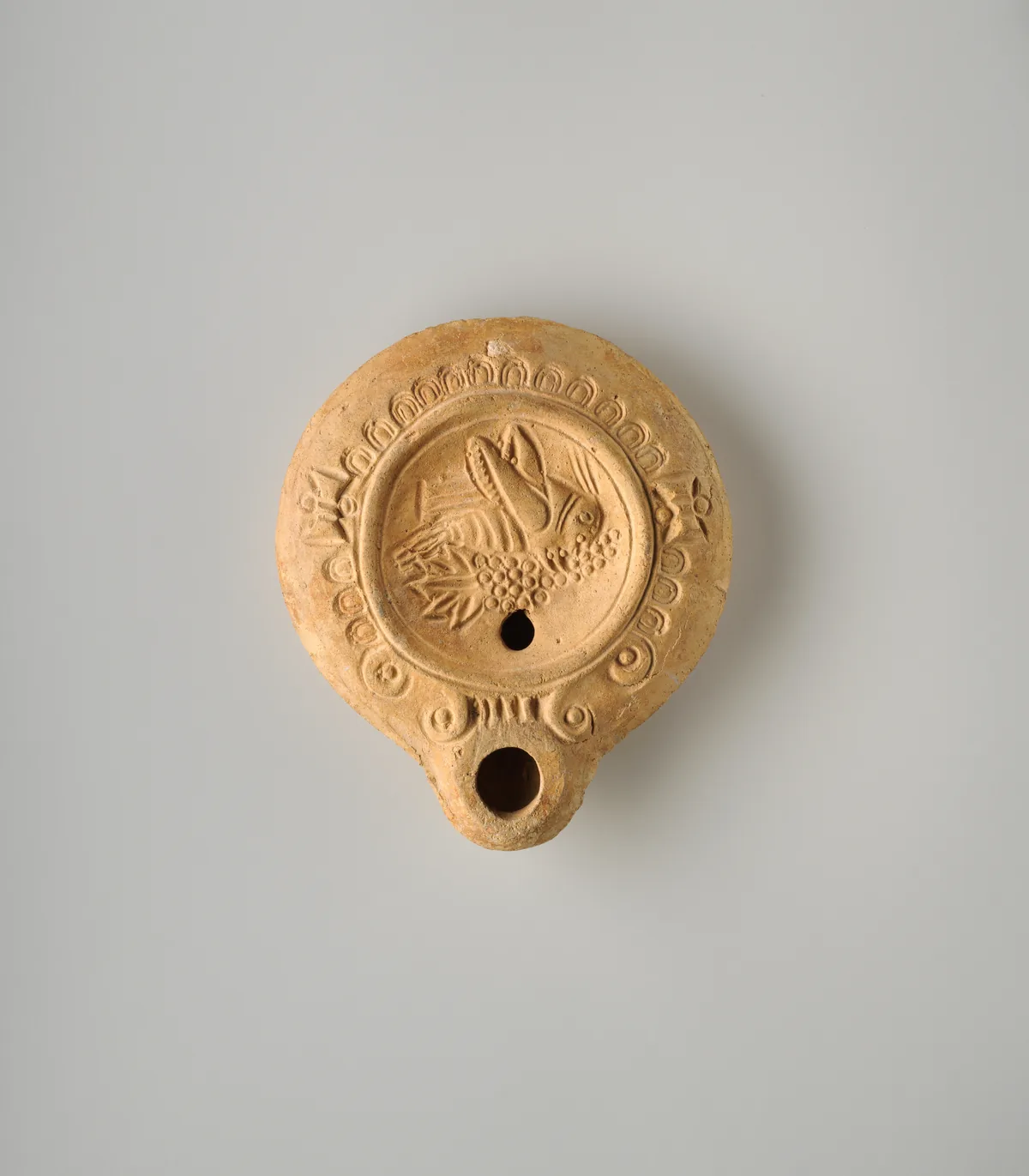
Roman terracotta oil lamp seen from above, with relief decoration and a wick opening
Roman terracotta lamp, ca. 90-200 CE; probably made in Syria-Palestine according to The Met catalogue. A collection object for comparison, not a find from the Nazareth excavations. Accession 74.51.2256.The Metropolitan Museum of Art · 74.51.2256 · The Cesnola Collection, Purchased by subscription, 1874-76 · CC0 · Source · CC0 1.0

READING A FIND · NAZARETH

Nazareth: reading a settlement through its layers

What can a small excavation tell us about settlement, and why do successive layers not necessarily mean uninterrupted occupation?

4 min read, approximatelyRead the article
Cypriot pottery jug with a long neck, a handle and pale geometric decoration on an orange body
Decorated Cypriot pottery jug, ca. 1900-1800 BCE. A comparison from Cyprus, not a local excavation find. The Met, 74.51.1316.The Metropolitan Museum of Art · 74.51.1316 · The Cesnola Collection, Purchased by subscription, 1874-76 · CC0 · Source · CC0 1.0

OBJECT GUIDE · POTTERY

Pottery: from production to use and dating

What can a rim, handle or sherd tell us? Read pottery by connecting manufacture, use and the archaeological context of its discovery.

3 min read, approximatelyRead the article
Pale terracotta amphora with two handles, a pointed base and painted Phoenician writing on its upper body
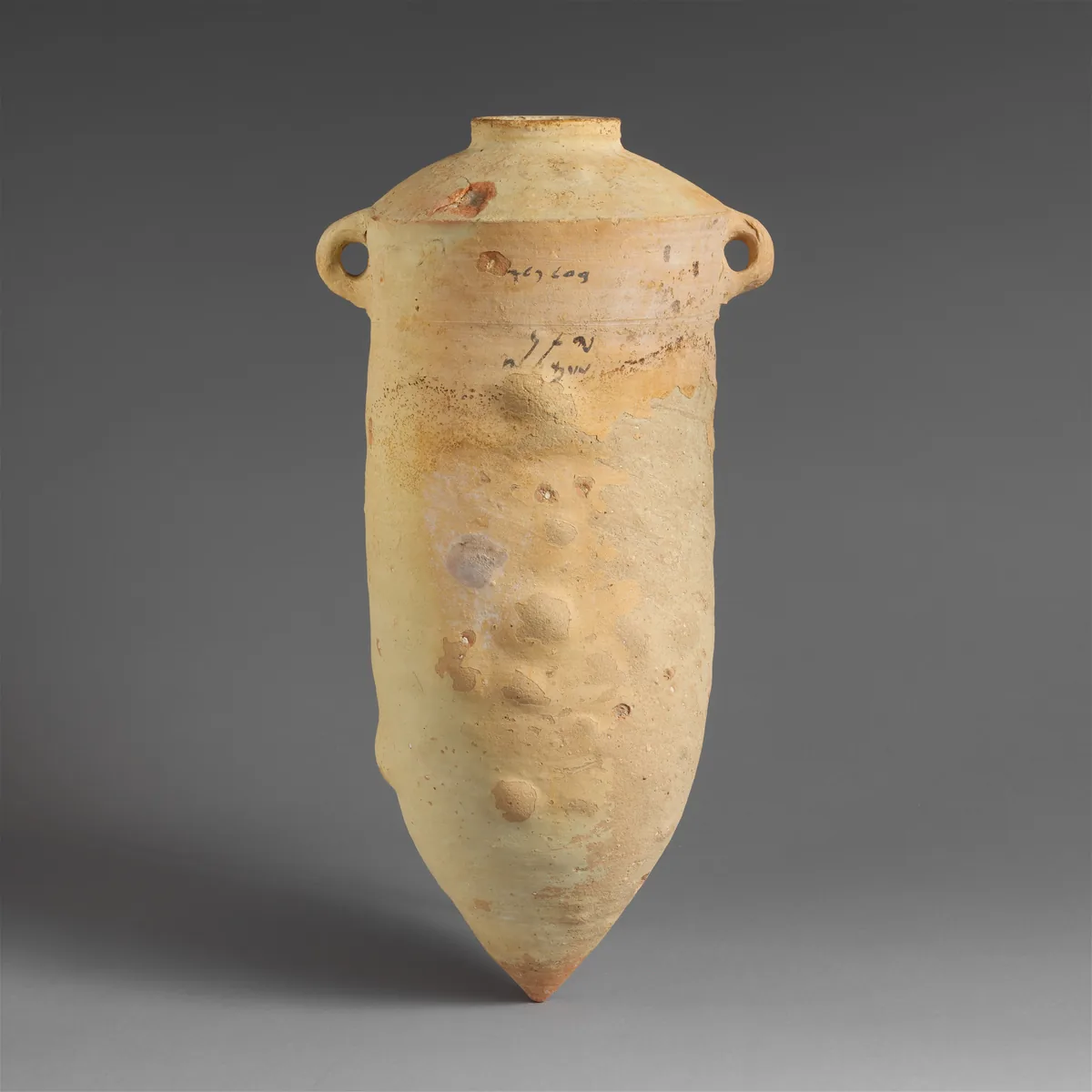
Cypriot amphora with a painted Phoenician inscription, sixth-fifth century BCE. A comparison for writing on vessels; not the Jerusalem inscription. The Met, 74.51.2300.The Metropolitan Museum of Art · 74.51.2300 · The Cesnola Collection, Purchased by subscription, 1874-76 · CC0 · Source · CC0 1.0

RESEARCH & METHOD

Reading an ancient inscription: from mark to claim

Photograph, transcription, reconstruction and translation are different steps. A guide to reading names, numbers and meaning on objects.

3 min read, approximatelyRead the article

METHOD GUIDE · EVIDENCE & INTERPRETATION

How to read archaeological research

A practical route from question to evidence and from evidence to interpretation. You do not need to know every technical term to begin reading carefully.

4 min read, approximatelyRead the article

Reading, accessibility & privacy tools

Adjust the reading experience to suit you. These tools complement your browser and device accessibility settings. Changes apply to this page; only an explicit choice to remember them saves them for another visit.