METHOD GUIDE · CONNECTIONS
Materials and exchange: reading connections between places
Similar objects do not make a trade map. Distinguish raw materials, manufacture, style and movement through examples and research questions.

The explanations distinguish finds, interpretations and open questions. Sources appear at the end of the page.
Four places that may differ
When a report says an object came “from outside the region”, unpack the statement. The source of its raw material, the place of manufacture, the place of use and the findspot need not coincide. This is more than terminology: it reveals which stage of a journey was investigated. Material identification, stylistic comparison and an excavation context can support different claims. A convincing account connects the stages with evidence instead of jumping between them.
A scarab: what does the collection record say?
The opening object is a glazed-steatite scarab seal attributed to Canaan, approximately 1640-1550 BCE, with a crocodile-headed figure on its base. S03. These are catalogue data, not documentation of a specific import route. Ask what additional evidence would connect its appearance with a maker, user or journey. A plausible general account of contacts between regions cannot supply the missing record.
A symbol can raise a question about cultural connections, but that question remains broad. Was an object made in one place and moved to another? Did a local maker select a familiar motif? Did two makers share a tradition? These are possible explanations for an exercise, not conclusions about the illustrated scarab. Formulate each possibility in terms of evidence that could strengthen or weaken it.
A whole vessel is not a whole route
The jug below is catalogued as Cypriot, approximately 1900-1800 BCE. S02. Its catalogue attribution does not establish that it was found in Israel. It provides a comparison; an account of a Cypriot vessel reaching a particular site would need a publication of that site and that item. Preserving this distinction lets us learn from an image without assigning it an undocumented context.

Exchange is also everyday work
Elizabeth Williams discusses Byzantine and early Islamic commerce through written sherds, coins, weights and trading spaces. C13. These invite questions beyond the search for luxury objects: how were goods paid for, measured, recorded and transferred? We do not project these examples onto every other period. They help organise questions, each of which needs evidence appropriate to the time and place being studied.
Showing that a connection existed differs from describing how it operated. An object attributed elsewhere may begin a discussion, but it does not alone supply a number of merchants, frequency of sailings, transaction value or buyer’s identity. “Network” also requires explanation: which points are included, what connects them and over what interval? An attractive map cannot replace the data underlying it.
A teaching example: change one variable
Imagine two unnamed settlements with published, similar-looking pots. This is an exercise, not a new discovery. Consider common production, local imitation and resemblance without a direct route between the settlements. The appearance may be similar in all three scenarios, while expectations for the evidence differ. Ask whether the study examined composition, find contexts and dates. A photograph can establish visible resemblance; explaining it needs another step.
The exercise also encourages care with negative claims. An object absent from a report does not necessarily demonstrate an absence of past contact. Examine the extent of excavation, the part of the assemblage published and what researchers actually sought. A sound conclusion may concern only a site or layer. Every result need not become a statement about an entire region.
Five questions before drawing a map arrow
- What moved: raw material, finished object, idea or person?
- Which source identifies manufacture or the raw material’s origin?
- Do the objects belong to a compatible time range?
- What is known about their findspots and circumstances?
- Which alternative explanations were tested, and what remains undecided?
Read the Jerusalem ivories article alongside this guide for a case that considers material, decoration and context together. Keep comparative images beside their source data: visible resemblance should begin an investigation rather than end it.
Source
Sources and further reading
The research and references behind this page. Rights to external content remain with their owners.
- C13
Trade and Commercial Activity in the Byzantine and Early Islamic Middle East
Elizabeth Williams · 2012
- S02
Terracotta jug, Middle Cypriot I, 74.51.1316
The Metropolitan Museum of Art
- S03
Scarab with a Crocodile Headed Figure Holding a Flower, 10.130.398
The Metropolitan Museum of Art
Follow the next connection
CRAFT & MATERIAL CULTURE · IRON AGE
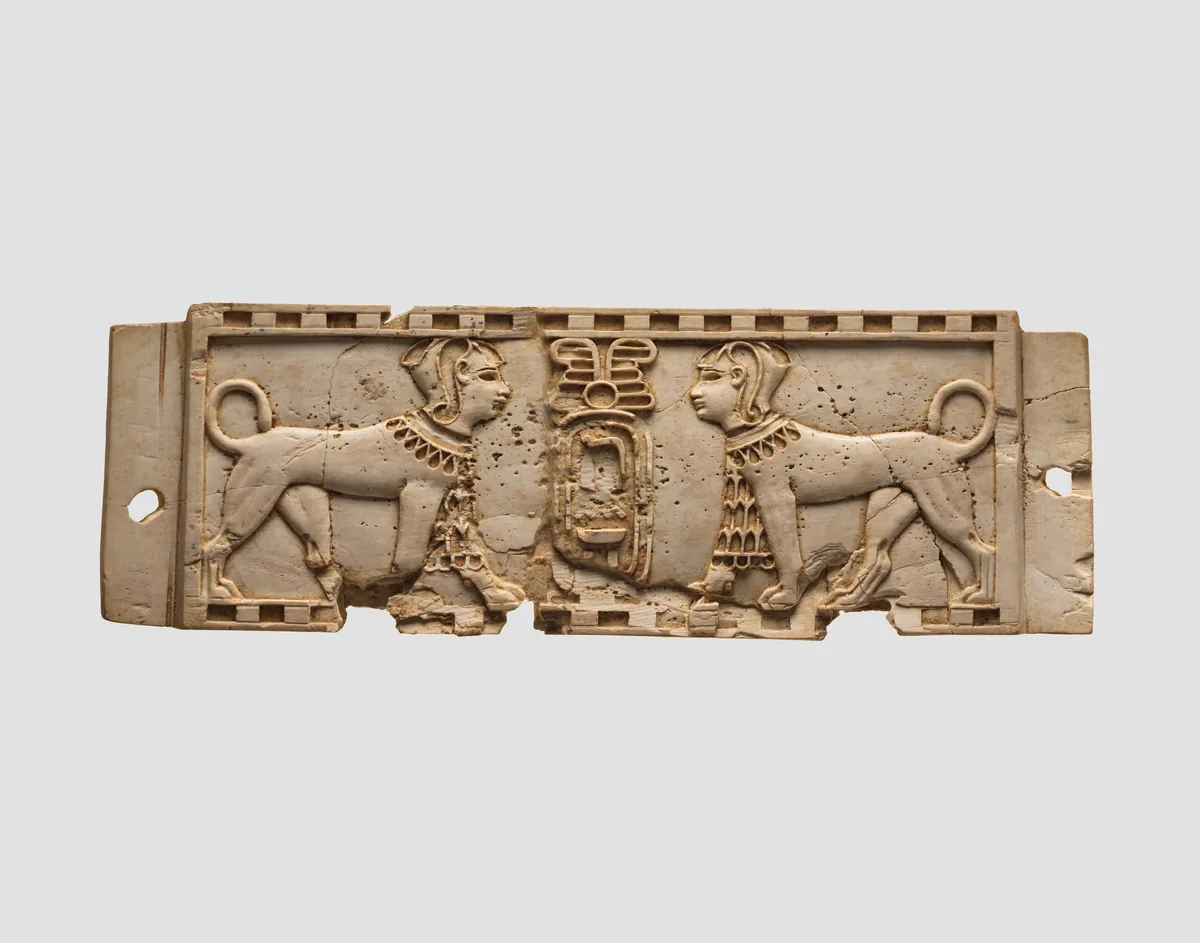
Jerusalem ivories: craft, decoration and connections
Decorated ivory panels raise questions about choices, resources and shared traditions. Read the argument without inventing a name for the owner.
4 min read, approximatelyRead the article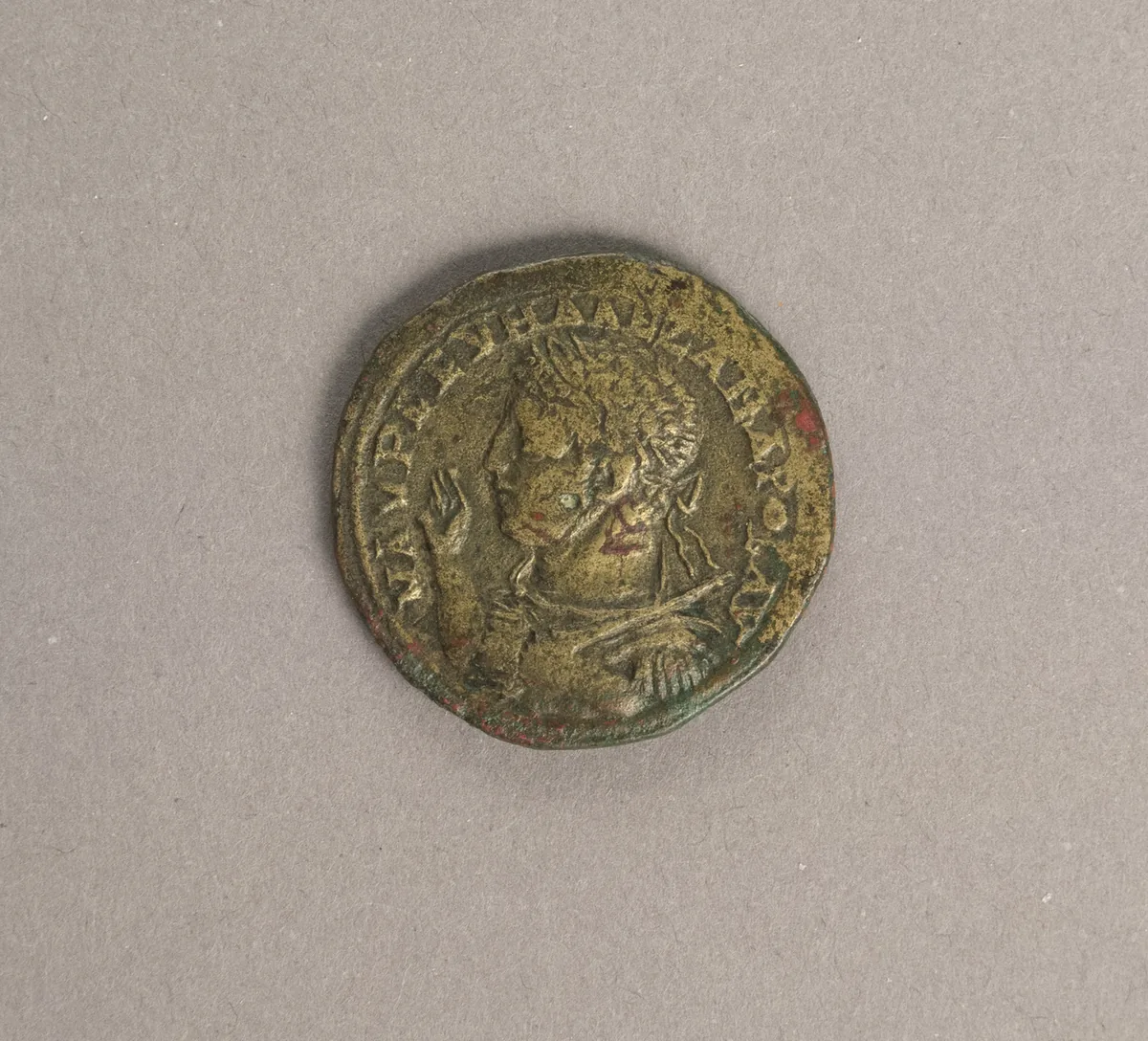
RESEARCH & METHOD
Coins and hoards: date, context and economy
Why a minting date differs from a burial date, and why a hoard is not a simple snapshot of money in circulation. Museum examples and the Qula case explain the distinction.
3 min read, approximatelyRead the articleOBJECT GUIDE · POTTERY
Pottery: from production to use and dating
What can a rim, handle or sherd tell us? Read pottery by connecting manufacture, use and the archaeological context of its discovery.
3 min read, approximatelyRead the article