Chronology and the preceding interval
The framework here is approximately 539-331 BCE, the Achaemenid range in the Met's regional timeline. It follows a Babylonian interval rather than immediately succeeding every phase labelled “Iron Age”. This matters especially in Jerusalem: destruction at the end of the Iron Age and transition to Persian rule are not the same date. Source: C06.
The range orients readers in the eastern Mediterranean. It does not require every house, vessel or local practice to begin and end with changes of government. When a report calls a find “Persian”, ask whether it means date, style or origin. These are different claims; sometimes only the first is needed to understand the context.
A coin within a body of evidence
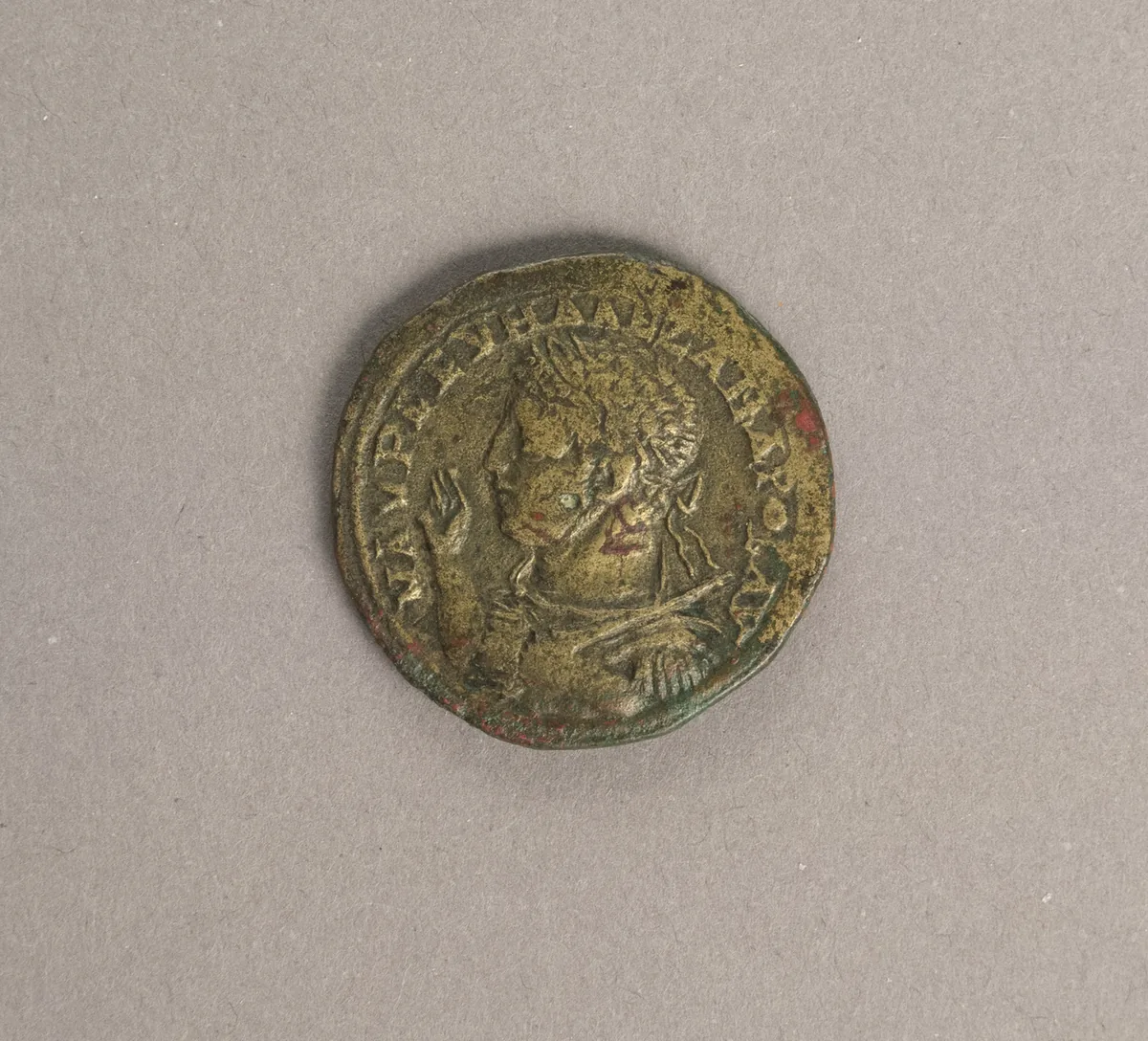
The illustrated museum daric provides a comparison for Achaemenid coinage, with its documented collection origin. It is neither a local excavation find nor evidence from a hoard discovered here. Read the record's date, material and identification before asking about distribution and use.
Understanding an excavated coin requires more than a ruler's name. Was it on a floor, in fill or within a group preserved together? Was it deposited when new or after extended circulation? Was the context sealed or disturbed? Such questions separate manufacture from deposition and an official symbol from the life of an identifiable individual.
Local, imported and adapted
Imagine a locally made vessel with a form familiar from distant regions. That possibility invites investigation of moving ideas or skills, not just the transport of finished pottery. Conversely, an imported vessel does not establish a foreign user. These are conceptual alternatives; an actual find requires its own analyses and comparisons.
The same applies to a seal. An image shared between places can assist comparison but is not an identity document. Distinguish the maker, user and depositor: different people at different times may perform those actions.
Continue through material questions
The coin guide explains how a minting date constrains a context without specifying its exact year. The inscriptions guide distinguishes a visible mark, a proposed reading and its meaning. The Hellenistic period page continues the exploration of change and persistence. Together they connect imperial chronology with documented local actions without making every object represent an entire empire.