READING A FIND · NAZARETH
Nazareth: reading a settlement through its layers
What can a small excavation tell us about settlement, and why do successive layers not necessarily mean uninterrupted occupation?
4 min read, approximatelyRead the articlePERIOD GUIDE
How to compare vessels, writing and buildings without assuming that people’s identities change whenever object styles do.
Approximately 331-64 BCE1 articles and guidesThe framework here is approximately 331-64 BCE, following an eastern Mediterranean timeline. It encompasses successor kingdoms after Alexander and shifting relationships between centres. “Hellenistic” is useful for orientation, but does not mean that every site was governed alike or that every person adopted one culture. Source: C06.
Distinguish political from archaeological dates. A kingdom's boundary can change quickly while household vessels remain in use, receive repairs or pass between generations. Assuming that government change requires complete replacement of an assemblage can introduce a transformation that the evidence does not show. Begin with the assemblage, then investigate its relationship to the wider history.
A vessel with parallels in several regions can belong to an ordinary local household. A single motif need not force a choice between absolute “local” and “foreign” identities. Ask separately where the object was made, which forms resemble it, how it reached the site and how it was used. Research may answer only some of those questions.
Try making a description card without peoples or rulers: material, dimensions, shape, wear and position. Then add dating and comparisons. This sequence does not remove political history; it prevents history from replacing description and makes the contribution of each argumentative step visible.
The Nazareth study discussed in this library assigns one building unit to the late Hellenistic and Early Roman periods. The combined wording is instructive: an archaeological unit need not fit one timeline compartment. It does not mean that all activity in the house happened simultaneously; examine construction and use in the report. Source: R01.
A reader can follow that question through both period pages. These are two routes to a shared question about time, place and material use, not two separate discoveries. The library links evidence by the questions it can illuminate.
Trade requires more than resemblance between two objects. Do quantity, distribution and context fit movement of goods, movement of people or later reuse? The pottery, coin and materials guides break broad claims into testable parts. The result may be a precise limit on what can be established. Such a limit is a research achievement rather than a missing story.
Source
The research and references behind this page. Rights to external content remain with their owners.
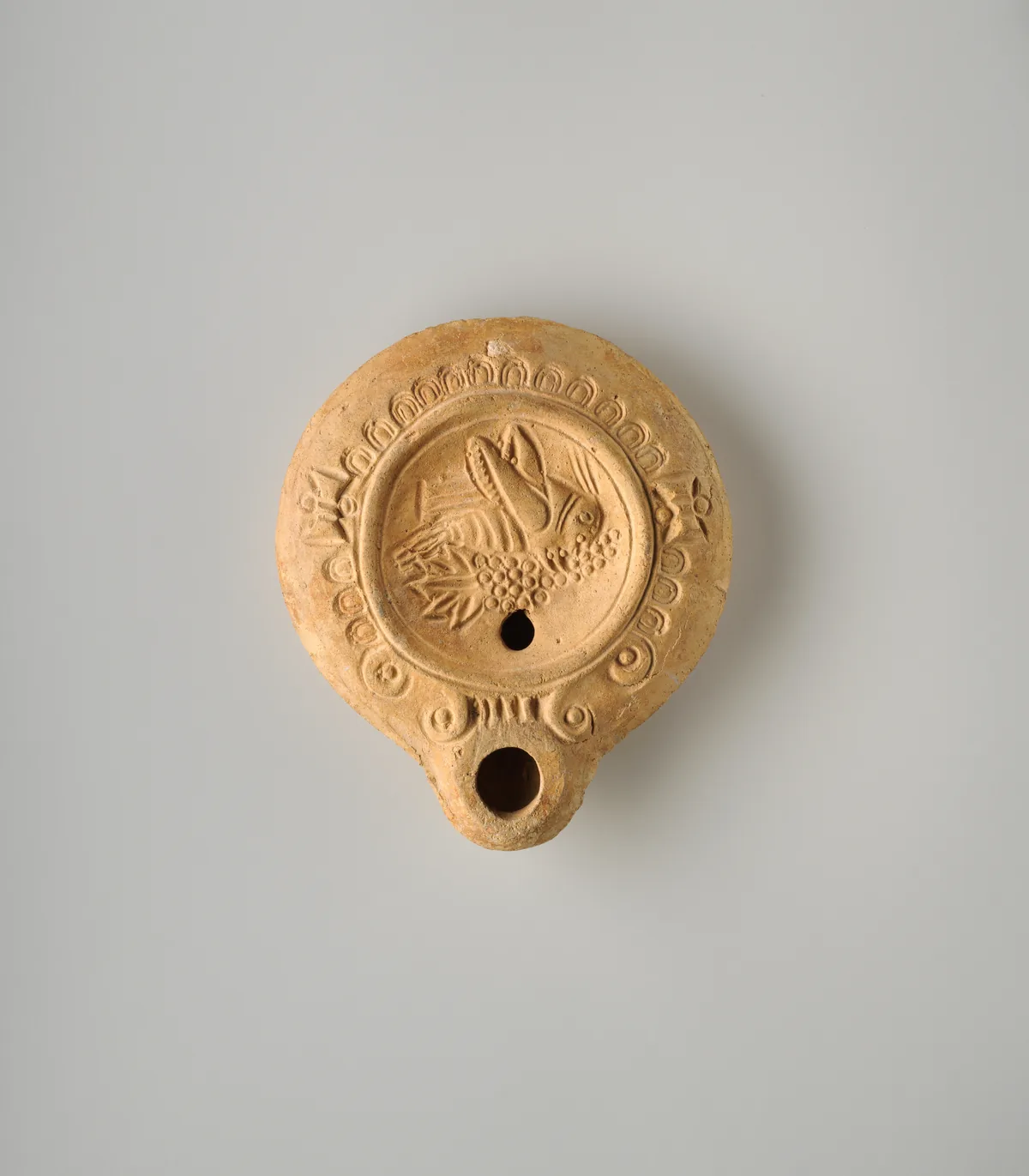
The Metropolitan Museum of Art · 2000
Yardenna Alexandre · 2020
Research record in this libraryREADING A FIND · NAZARETH
What can a small excavation tell us about settlement, and why do successive layers not necessarily mean uninterrupted occupation?
4 min read, approximatelyRead the articleAdjust the reading experience to suit you. These tools complement your browser and device accessibility settings. Changes apply to this page; only an explicit choice to remember them saves them for another visit.
Your choices apply to this page only. Moving to another page restores the defaults.