READING A FIND · NAZARETH
Nazareth: reading a settlement through its layers
What can a small excavation tell us about settlement, and why do successive layers not necessarily mean uninterrupted occupation?
The explanations distinguish finds, interpretations and open questions. Sources appear at the end of the page.
What the evidence says
Near the Church of the Annunciation compound in Nazareth, Yardenna Alexandre documented Iron Age and late Hellenistic-Early Roman remains, as well as later building. A subterranean pit complex formed part of the late Hellenistic-Early Roman house. The study appeared in volume 98 in 2020. Source: R01.
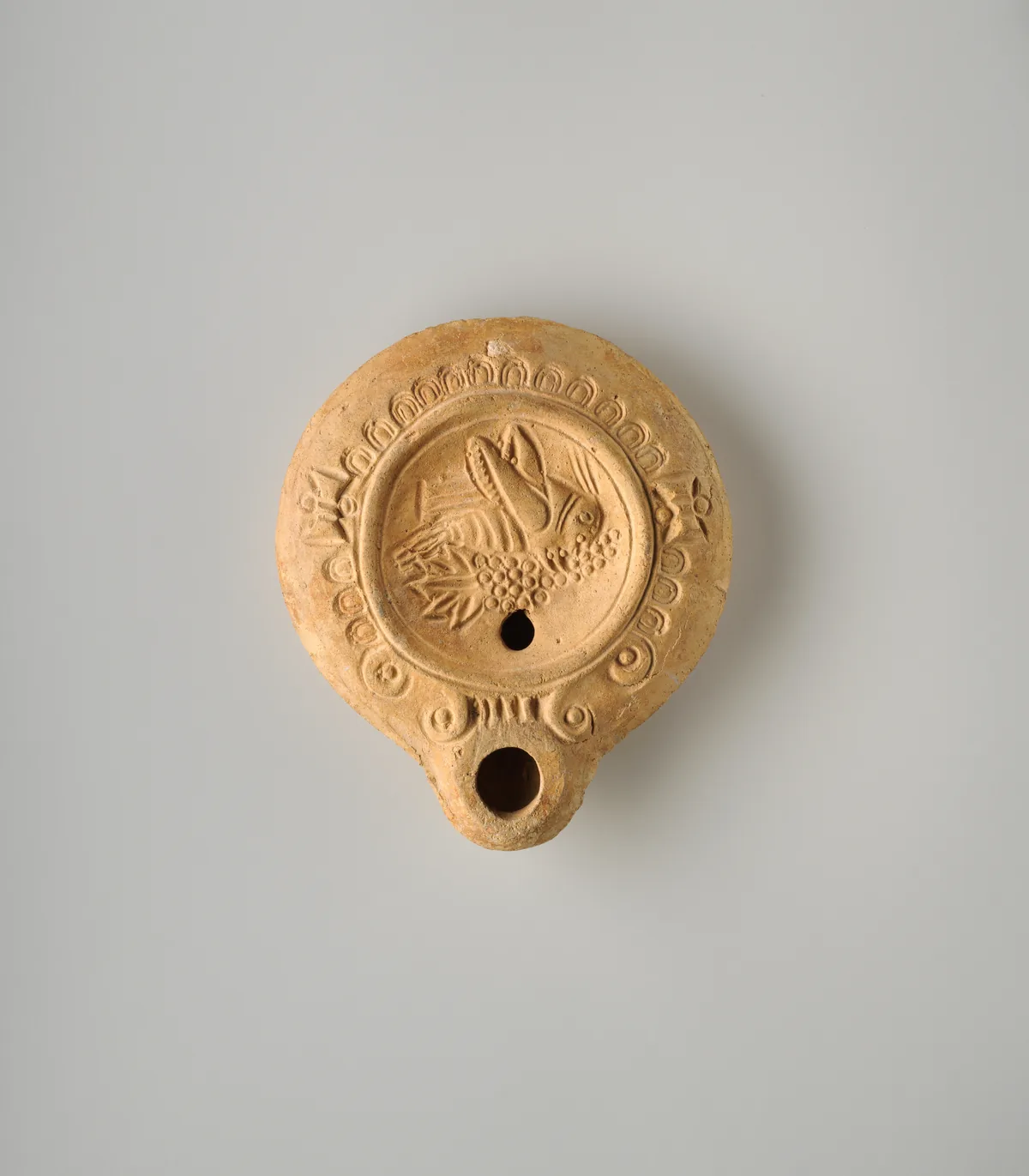
The photograph shows a museum lamp as a comparative period example. It is not a find from the Nazareth excavation discussed here; identification and rights details are given in the caption.
An older wall within a later house
The extended abstract of the same study describes reuse of an Iron Age wall in the later house. Source: R13. This makes continuity tangible: a wall’s age need not date every adjoining floor. A later building can incorporate an older component without demonstrating uninterrupted activity between them.
Read a section, not just a headline
Think of the excavation as a limited window onto a particular place. Start by asking which walls and floors belong together. Then identify the finds used to date that unit. Only afterwards move from the building to the broader question: what does it add to our understanding of the settlement?
This approach also helps test the word “continuity”. A list of periods cannot by itself describe everything that happened between them. When reading the report, look for the proposed connections between building phases and for discussion of gaps, disturbance or the limits of the excavated area. These are reading questions, not new claims about this excavation.
Questions to take to the source
- Does a proposal concern the excavated house, a neighbourhood or all of Nazareth?
- Which evidence supports the dating, and which supports a suggested use?
- What could strengthen the explanation: another building, a sealed context or a detailed comparison?
Where the story stops
Evidence of a dwelling should not become the identification of an individual resident. Proximity to a famous place cannot replace a documented archaeological connection. The compelling story begins at a local scale: how built space, objects and relative sequence become an argument that a reader can examine.
Above-ground house, below-ground activity
A subterranean system adds a dimension absent from a wall plan alone. Separate cutting the space, accessing it, activities it allowed and material entering afterwards. Even a feature described as a pit or silo need not contain fill belonging to its original use. Its label begins a functional enquiry rather than settling it.
Imagine, purely as an illustration, two similarly shaped pits. One holds deposits formed during use; the other was later closed with soil brought from elsewhere. Reading only pottery lists while ignoring the difference between fills could assign them the same activity. Look for how material accumulated, its contact with floors or sides and the relationship to the room above.
A nearby comparison: when sherds are insufficient
Alexandre's separate report on Har Avihu in the Nazareth hills describes a limekiln with too few sherds for secure dating. This is a different excavation and unit. Source: R10. It illustrates why the presence of dated pottery cannot automatically date its surrounding installation.
A dating limitation is not a failure. Description of a structure can be detailed and reliable while its working date remains uncertain. Separating those kinds of knowledge helps identify a useful next investigation: seek a better context or another line of evidence rather than increasing confidence in the existing datum.
Move from house to settlement in steps
Think in three circles: the excavated unit, neighbouring contexts and the broader history of Nazareth. Each outward move requires more information. Local continuity is not necessarily citywide continuity; a local gap need not imply abandonment of the city. Even a result consistent with a familiar picture should show what it contributes rather than serving merely as its illustration.
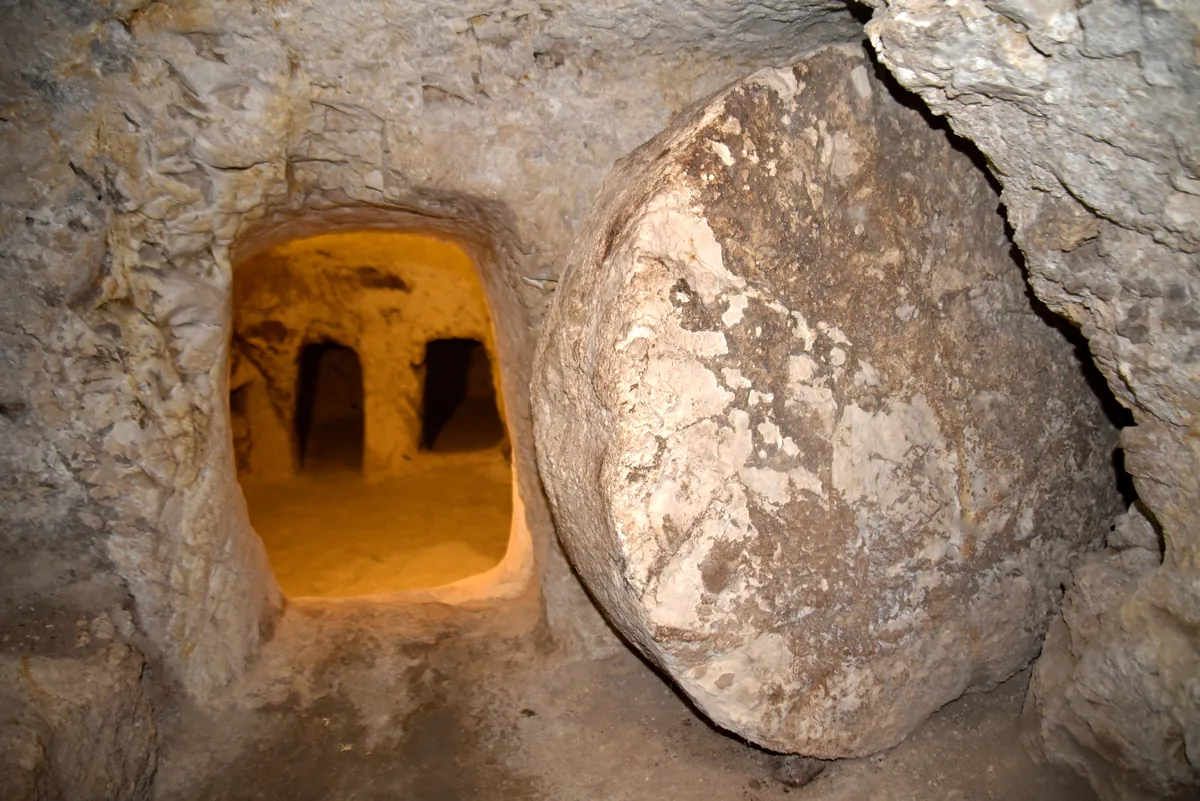
The additional photograph shows remains at the Sisters of Nazareth site, a different excavation. It helps readers observe rock and built space but cannot identify rooms or pits in Alexandre's report. Visual documentation remains useful when the boundaries of its evidence are kept visible.
Scope of reading: publication details, the abstract and the extended abstract of the Nazareth study were checked (R01, R13), together with the separate online Har Avihu report (R10). The complete Nazareth paper was inaccessible during preparation; this page is not a full summary. Its extended abstract is not an additional independent study.
Source
Sources and further reading
The research and references behind this page. Rights to external content remain with their owners.
- R01
The Settlement History of Nazareth in the Iron Age and Early Roman Period
Yardenna Alexandre · 2020
Research record in this library - R10
Nazareth, Har Avihu
Yardenna Alexandre · 2016
- R13
The Settlement History of Nazareth in the Iron Age and Early Roman Period - extended abstract
Yardenna Alexandre · 2020