EXPLORE BY TIME
Periods
A time frame opens questions about change and continuity. Choose a route through periods already represented in the library.
Ten main routes run from the Neolithic to the medieval period, with overlapping subperiods inside the Neolithic and Chalcolithic guides. Ranges are approximate and sourced on each page; card size is not proportional to duration. A Babylonian interval between the Iron Age and Persian period is acknowledged without a separate library page.
Move through the periods
Navigation by period, not a timeline drawn to scale. Date boundaries depend on region and the chronology used.
Approximately 10,000-5500 BCEThe Neolithic: home, food and material
Approximately 10,000-5500 BCE
The Neolithic: home, food and material
Village life through buildings, tools, seeds and burial: a guide to a long transformation that cannot be reduced to a single date.
Regional frame: eastern Mediterranean and southern Levant
Approximate navigation range; local boundaries and classification systems may differ or overlap.
Explore this period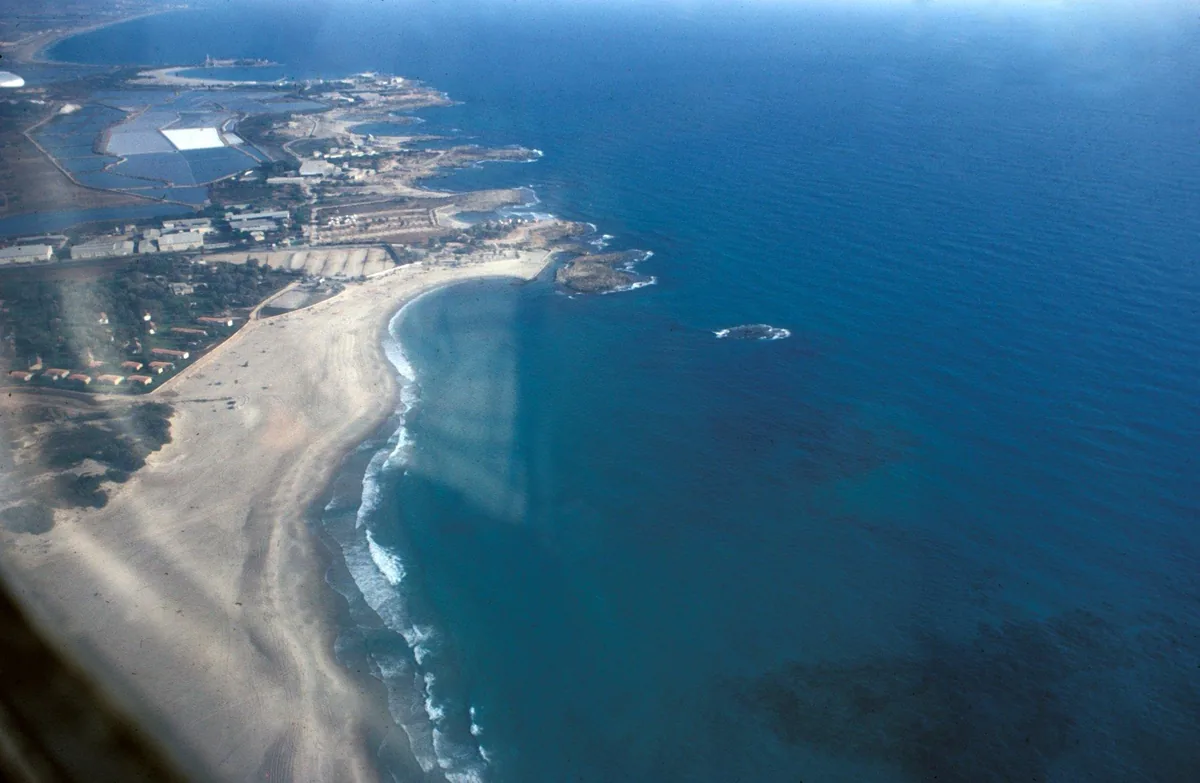
Further reading in this period
Approximately 5500-3300 BCEThe Chalcolithic: villages and crafts
Approximately 5500-3300 BCE
The Chalcolithic: villages and crafts
Copper alongside stone, wall painting alongside tools: reading society through production, use and unequal preservation.
Regional frame: eastern Mediterranean and southern Levant
Approximate navigation range; local boundaries and classification systems may differ or overlap.
Explore this periodFurther reading in this period
Approximately 3300-1200 BCEThe Bronze Age: cities and connections
Approximately 3300-1200 BCE
The Bronze Age: cities and connections
Vessels, letters and raw materials reveal different sides of a connected world. Learn why imported finds do not all tell the same story.
Regional frame: eastern Mediterranean and southern Levant
Approximate navigation range; local boundaries and classification systems may differ or overlap.
Explore this period
Approximately 1200-586 BCEThe Iron Age
Approximately 1200-586 BCE
The Iron Age
Homes, craft and prestigious objects: a route through the difference between a period framework and the history of a particular find.
Regional frame: eastern Mediterranean and southern Levant
Approximate navigation range; local boundaries and classification systems may differ or overlap.
Explore this period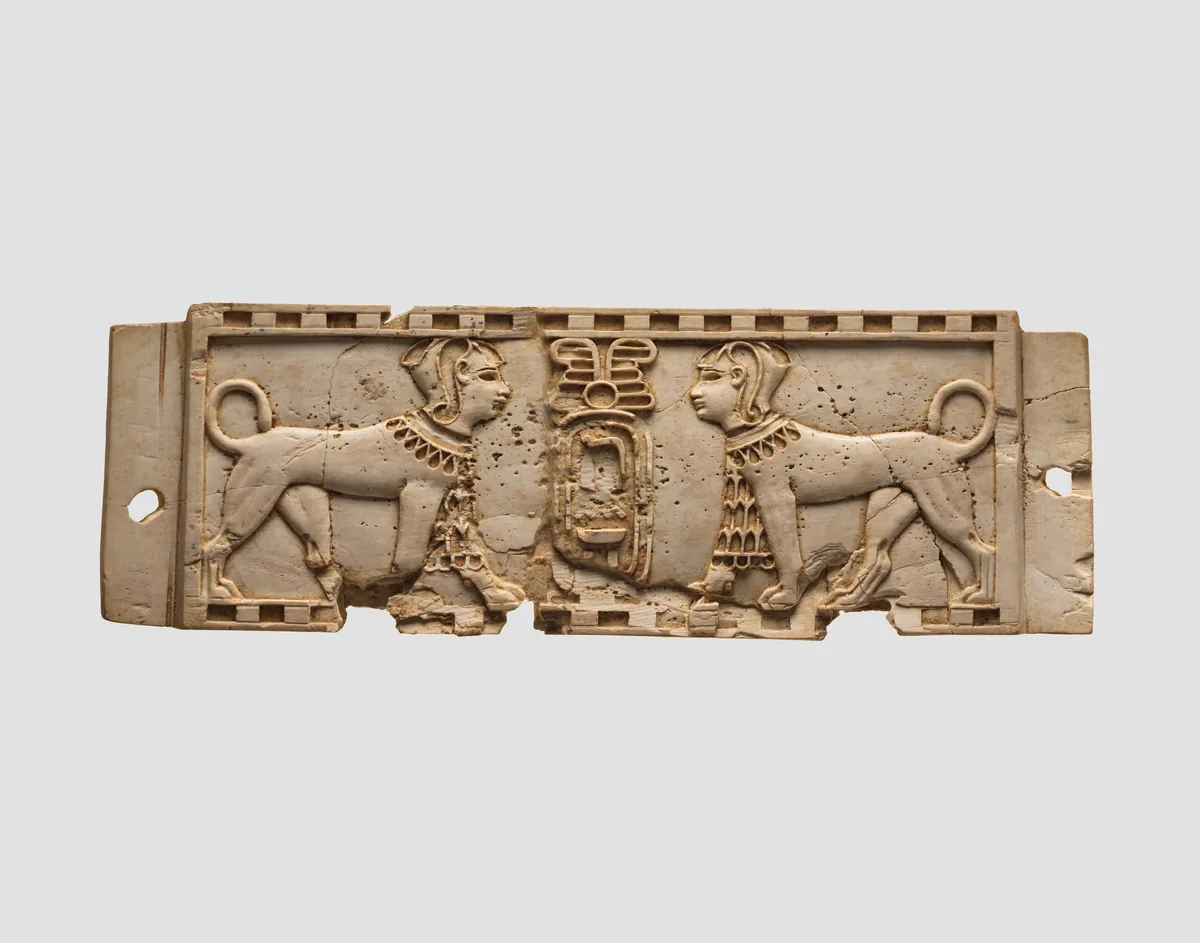
Approximately 539-331 BCEThe Persian period: empire and local life
Approximately 539-331 BCE
The Persian period: empire and local life
Coins, seals and vessels do not independently identify a population. Explore the gap between imperial rule and local archaeological context.
Regional frame: eastern Mediterranean and southern Levant
Approximate navigation range; local boundaries and classification systems may differ or overlap.
Explore this period
Approximately 331-64 BCEThe Hellenistic period: moving forms, local traditions
Approximately 331-64 BCE
The Hellenistic period: moving forms, local traditions
How to compare vessels, writing and buildings without assuming that people’s identities change whenever object styles do.
Regional frame: eastern Mediterranean and southern Levant
Approximate navigation range; local boundaries and classification systems may differ or overlap.
Explore this periodFurther reading in this period
Approximately 64 BCE-330 CEThe Roman period, up close
Approximately 64 BCE-330 CE
The Roman period, up close
Houses and inscriptions offer starting points for reading everyday life. This route focuses on studies of the Early Roman period.
Regional frame: eastern Mediterranean and southern Levant
Approximate navigation range; local boundaries and classification systems may differ or overlap.
Explore this period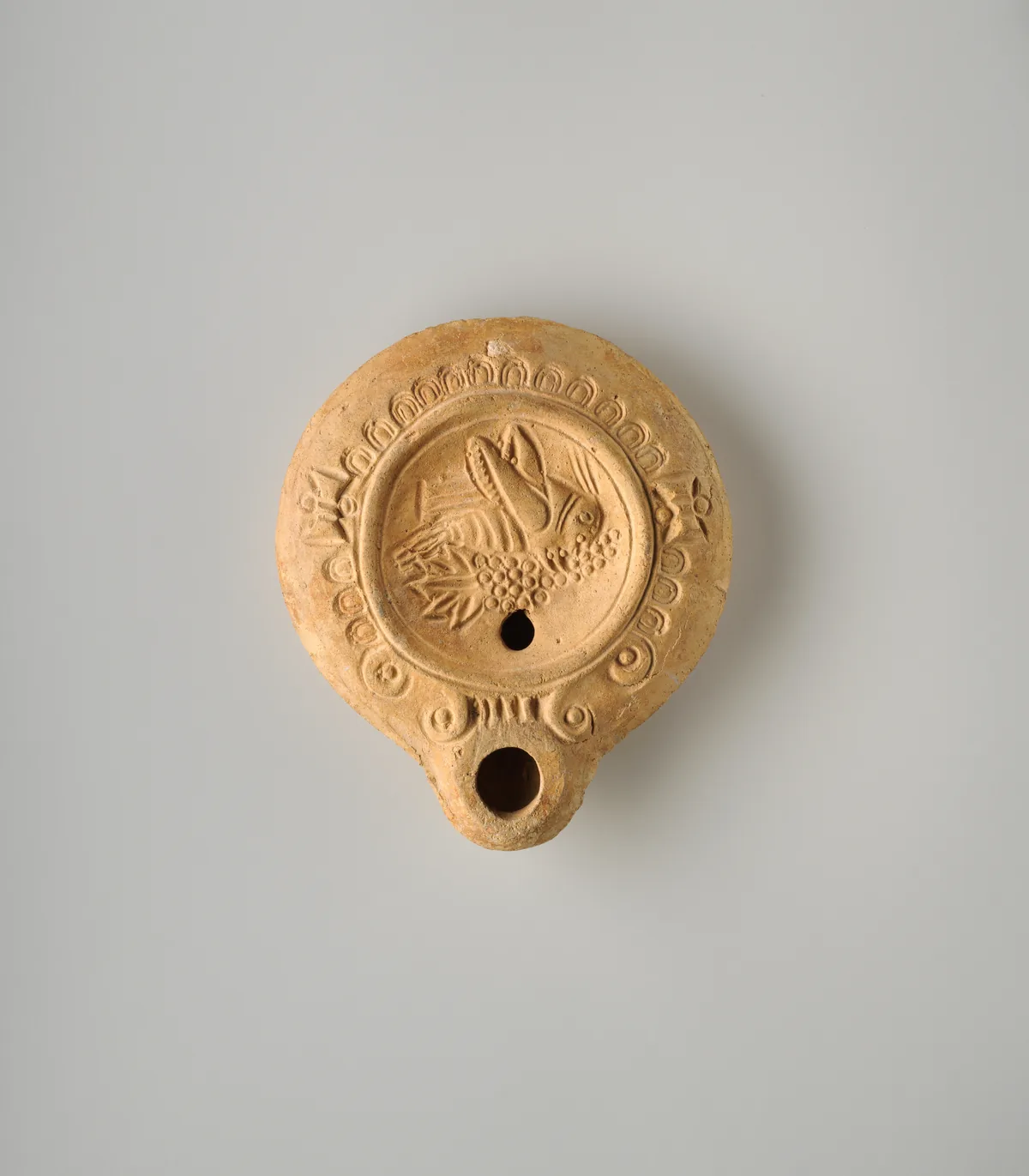
Further reading in this period
Approximately 330-640 CEThe Byzantine period: city, trade and sea
Approximately 330-640 CE
The Byzantine period: city, trade and sea
Explore Byzantine chronology through Jerusalem, a glass jug and an anchor from the Carmel coast, while separating finds from the comparisons used to explain them.
Regional frame: eastern Mediterranean and southern Levant
Approximate navigation range; local boundaries and classification systems may differ or overlap.
Explore this period
Approximately 640-1099 CEThe early Islamic period: rule and commerce
Approximately 640-1099 CE
The early Islamic period: rule and commerce
Read changes in government through inscriptions, coins and markets without assuming that every home and craft changed at the same moment.
Regional frame: eastern Mediterranean and southern Levant
Approximate navigation range; local boundaries and classification systems may differ or overlap.
Explore this period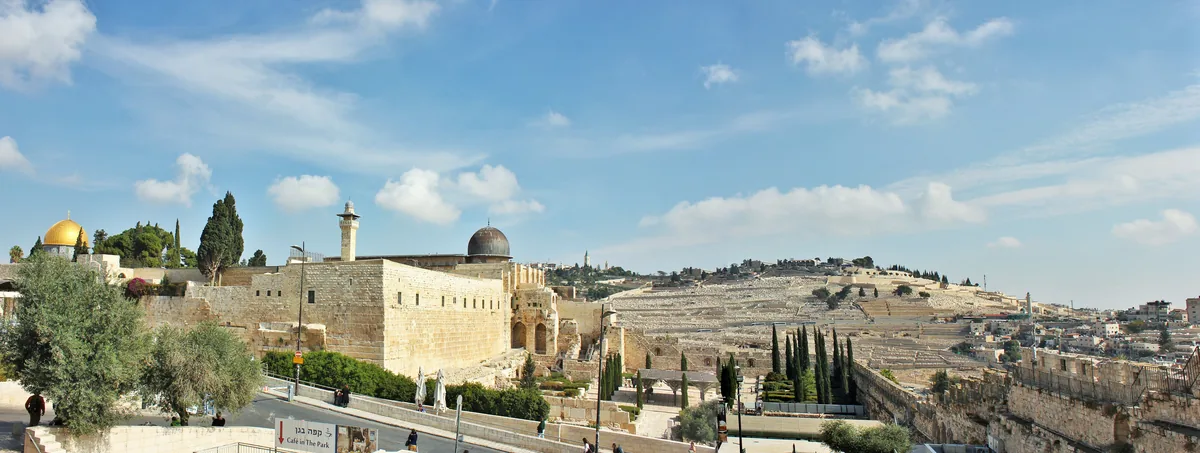
Subjects to explore
Approximately 1099-1516 CEThe Middle Ages: building, water and reuse
Approximately 1099-1516 CE
The Middle Ages: building, water and reuse
Explore medieval Jerusalem and the fountain house at Nazareth through building phases, maintenance and patronage alongside changes of government.
Regional frame: eastern Mediterranean and southern Levant
Approximate navigation range; local boundaries and classification systems may differ or overlap.
Explore this periodSubjects to explore