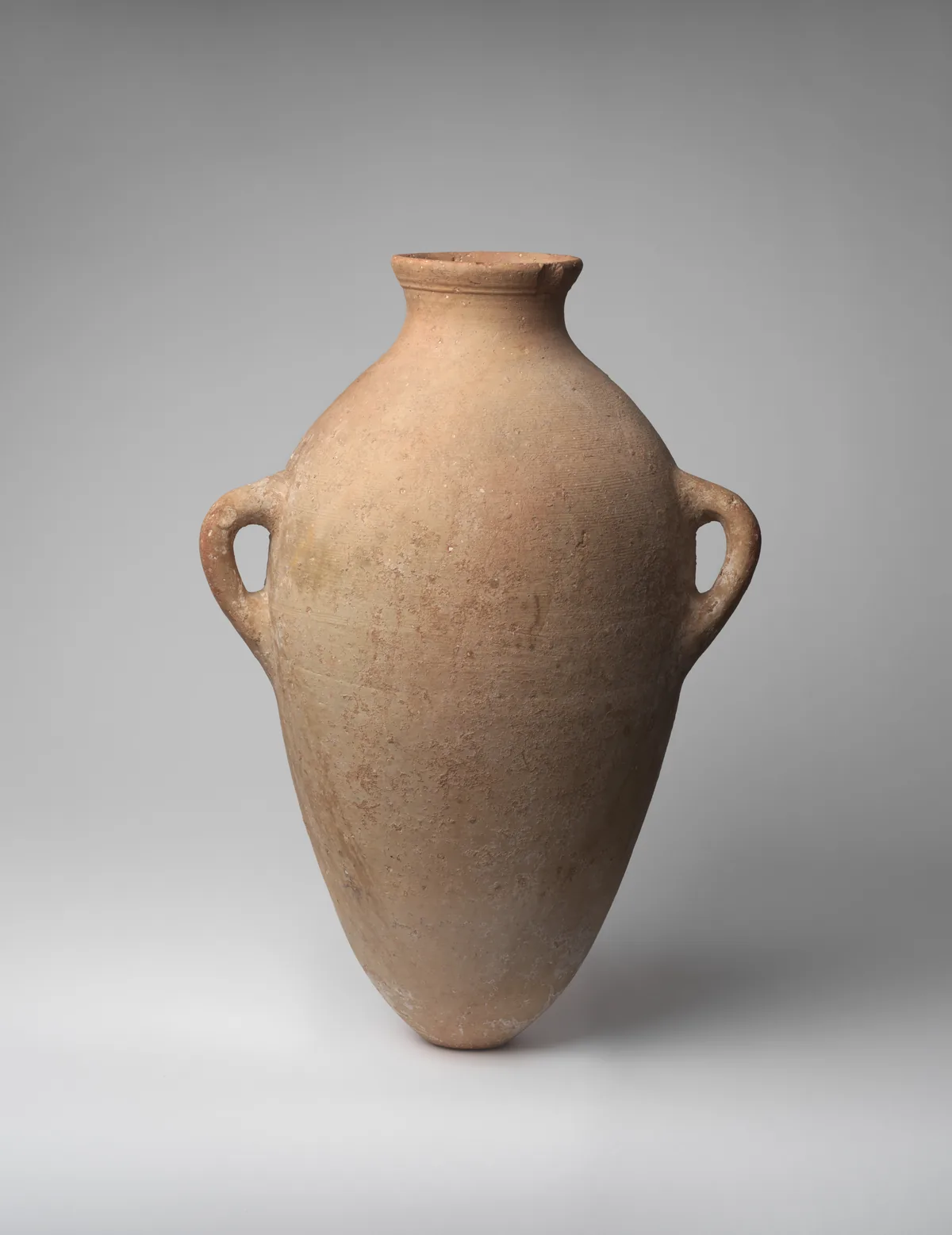
PERIOD GROUP · Cyprus

The Bronze Age in Cyprus: three phases, three divisions

A grouping for navigation, not a new historical division: the Early, Middle and Late Bronze Age of the Department of Antiquities' table, 2500-1050 BCE, which the Met and the Paphos museum cut at other points.

2500-1050 BCE

Move through the periods

Its place in the Cyprus scheme

The whole scheme with this period marked; the periods before and after are its neighbours in the row. Boundaries follow the sources and are not to scale.

All periods and subdivisions
  1. The Neolithic in Cyprus10,000-3,900 BCE
  2. The Chalcolithic in Cyprus3,900-2,500 BCE
  3. The Bronze Age in Cyprus2,500-1,050 BCE
  4. Cyprus from the Geometric to the Classical period1,050-312 BCE
  5. The Hellenistic period in Cyprus312-58 BCE
  6. The Roman period in Cyprus58 BCE - 395 CE
  7. Early Christian and Byzantine Cyprus395-1,191 CE
  8. Frankish and Venetian Cyprus1,191-1,571 CE

The frame

This page is a grouping for navigation, not a new historical division: it brings together the three Bronze Age phases of the chronological table of the Department of Antiquities of Cyprus, the Early Bronze Age, 2500-2000 BCE, the Middle Bronze Age, 2000-1650 BCE, and the Late Bronze Age, 1650-1050 BCE. It adds no dates of its own. The Department of Antiquities pages cited here could not be opened for checking on 24 October 2026; the details from them follow notes taken from those pages at an earlier stage and were not re-checked. Source 1.

Boundaries and overlaps

The Met's timeline cuts the same centuries differently: Early Bronze Age about 2500-1900, Middle about 1900-1600 and Late about 1600-1050 BCE, so the inner boundaries shift by fifty to a hundred years. The Department of Antiquities page on the Paphos museum does not separate the Early from the Middle Bronze Age and presents them together, 2500-1650 BCE. At the end of the period, the Kathari temples at Kition cross 1050 BCE into the Geometric period. Sources 2, 3, 4, 5, 1.

On this site

The Early Bronze Age has one item, the article on Kissonerga-Skalia, which also appears in the Middle Bronze Age; the Early Bronze Age page sets out the gap. The Middle Bronze Age also holds the Cypriot jug with white-painted decoration. The Late Bronze Age has the bronze spearhead from Cyprus, the article on Maa-Palaeokastro, the article on Kition, which also appears in the Geometric period, and the article on the sanctuary of Aphrodite at Palaepaphos.

Source

Sources and further reading

The research and references behind this page. Rights to external content remain with their owners.

  1. 1 Chronological table of the history of Cyprus (Department of Antiquities, Cyprus)

    Department of Antiquities, Cyprus · Not opened for checking

  2. 2 The Eastern Mediterranean and Syria, 8000-2000 B.C.

    The Metropolitan Museum of Art · 2000 · Checked

  3. 3 The Eastern Mediterranean and Syria, 2000-1000 B.C.

    The Metropolitan Museum of Art · 2000 · Checked

  4. 4 Paphos museum, page of the Department of Antiquities, Cyprus

    Department of Antiquities, Cyprus · Not opened for checking

  5. 5 Kition, site page of the Department of Antiquities, Cyprus

    Department of Antiquities, Cyprus · Not opened for checking

Continue from here

Follow the next connection

Every card comes from a documented relation or an editorial link. The reason line explains the connection.

A grouping for navigation, not a new historical division: the Geometric, Archaic and Classical periods of the Department of Antiquities' table, 1050-312 BCE. It also shows an amphora whose date crosses the boundary between the Archaic and the Classical.

1050-312 BCE

The period that followed.

The table of the Department of Antiquities of Cyprus and the Met's timeline date the period to 3900-2500 BCE, but the Paphos museum page places "the end of the Chalcolithic" at the end of the 3rd millennium. On this site: Souskiou and the "Pithos House".

3900-2500 BCE

The period that came before.

Reading, accessibility & privacy tools

Adjust the reading experience to suit you. These tools complement your browser and device accessibility settings. Changes apply to this page; they are kept for another visit only if you allowed that in the privacy dialog.