One framework, several centres of power
For navigation, this page covers approximately 640-1099 CE. It is a broad regional range, not the reign of one dynasty. Damascus was the Umayyad capital; the Abbasid takeover in 750 shifted the centre of power to Iraq. Source 1. These boundaries connect the period guides and do not date a particular archaeological layer.
To investigate a political transition at a site, first identify what you expect to change: a public inscription, taxation, market layout or cooking vessels in a house. These are not interchangeable measures of one phenomenon. When one changes, examine the others separately; the appearance of a ruler’s name cannot alone demonstrate population replacement.
Jerusalem: an inscription and a building
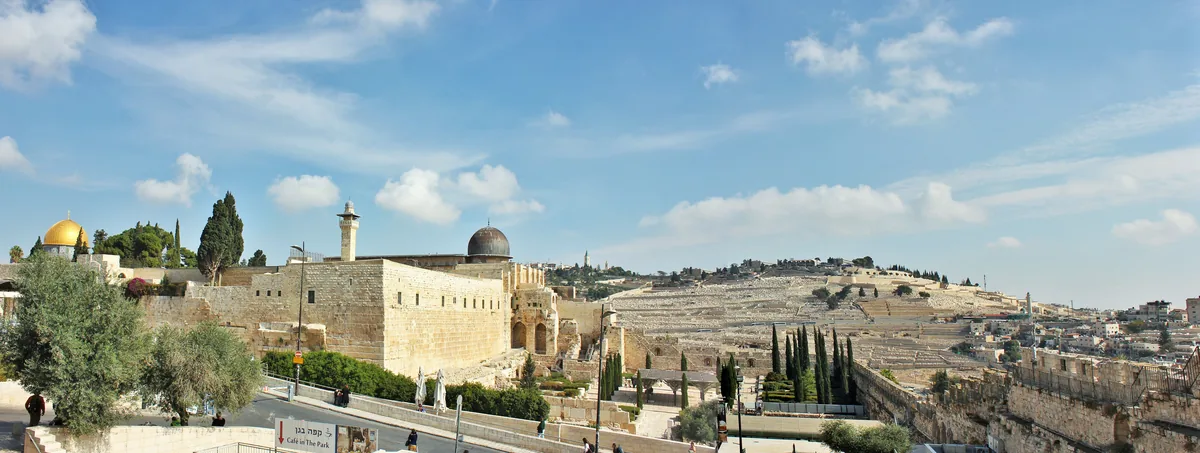
The Dome of the Rock was completed in 691 under Abd al-Malik, according to 1. It provides a landmark for state-sponsored construction in Jerusalem. Our landscape photograph shows the place today. It neither reconstructs the seventh century nor demonstrates that every visible surface belongs to the original building phase.
When reading a building inscription, ask who is speaking, who is addressed and what exactly receives a date. A dedication year may concern a specific action without dating every adjacent wall. Check whether the text remains in its original position, was moved or was copied. Wording, location and architectural documentation together connect a named patron with a building’s history.
A coin is not its owner’s identity card
The economic discussion 2 traces a shift from imperial images and Greek lettering to Umayyad coins emphasising inscriptions. This concerns a coin’s public language. It does not, by itself, establish its holder’s religion, everyday speech or the identity of people in the house where it was lost.
For a practical assessment, record the ruler or wording, metal, wear and findspot separately. Then ask which observation actually answers your question. A legible coin can support dating; a series can broaden discussion of circulation and use. Weight without compositional analysis is insufficient to establish the value of the metal.
Markets and urban continuity
2 presents the Umayyad market at Baisan, or Beth Shean, as an example of commercial construction. Distinguish a documented initiative from everyday trade: an inscription can identify a patron without listing every stall, merchant or product. Street plans and shop remains pose different questions about access, movement and division of space.
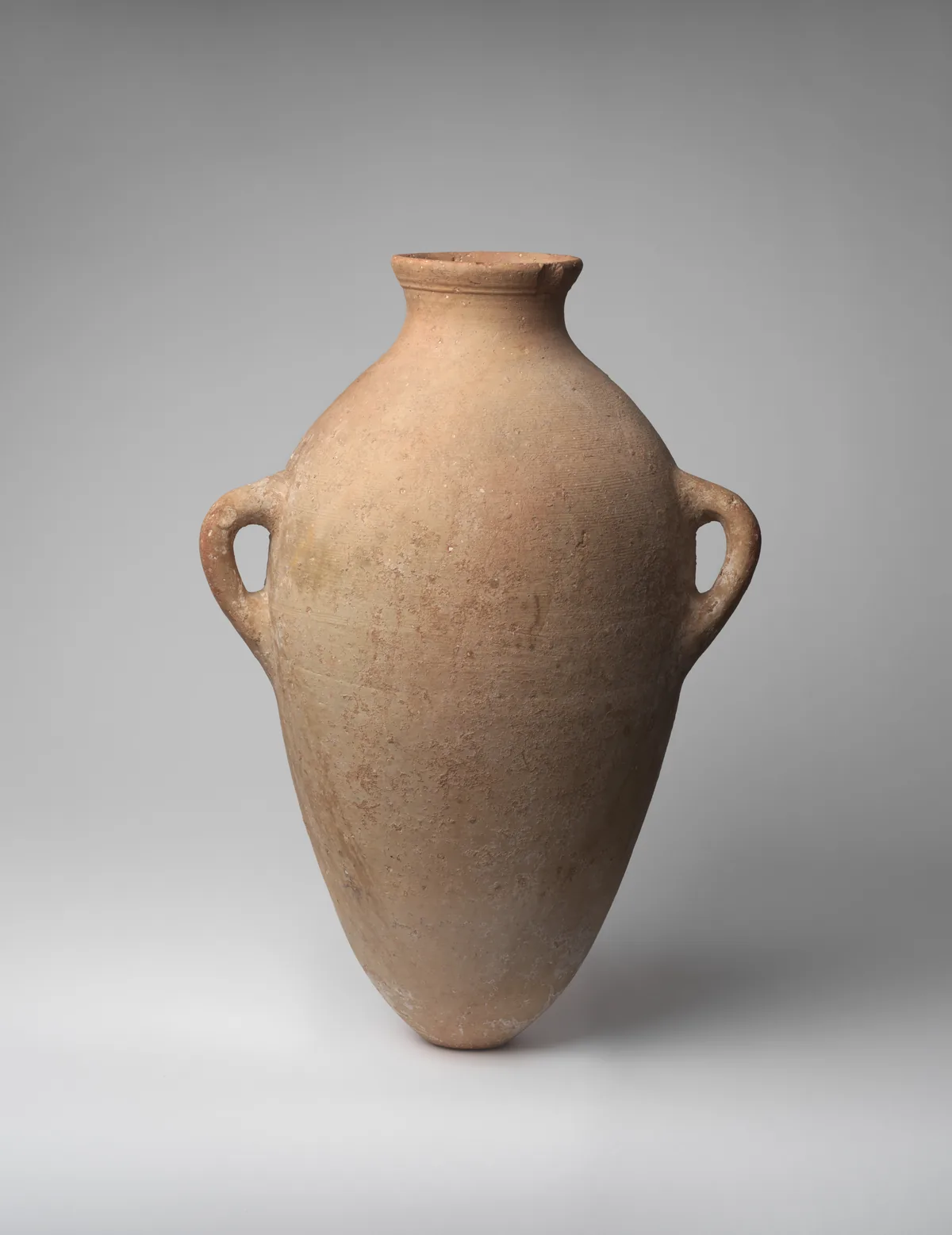
To argue for continuity, specify what persisted: a road alignment, a manufacturing technique, a building’s use or a family’s activity. Similar vessel forms cannot independently establish all these possibilities. The coin and inscription pages develop the evidence; the research-reading guide helps locate the boundary between observations and proposed explanations. This allows meaningful change to be described without erasing everything that came before.