A chronological frame
This regional overview uses approximately 1200-586 BCE, following the Houses of Ancient Israel exhibition. Source: C01. It is a broad convention; subdivisions and the dating of a particular stratum require each study’s own evidence.
Two routes into the period
Start with Nazareth to explore settlement layers. Choose the Jerusalem ivories to examine how material and decoration enter an argument about society and connections. These are different perspectives: a find from one house need not explain an entire city or period.
Reading across contexts
Each linked page has its own question. When moving between them, note the scale: object, building, site or region. Check whether a date concerns the find, its discovery context or a general framework. Do not automatically combine them into a single event.
The dating guide takes the time question further by asking about samples and reported ranges. This page is a gateway to the library’s case studies, rather than a complete historical account of the Iron Age.
Household, administration and prestige
Three questions guide Iron Age reading: what happened in a space, who could access it, and what information was needed to organise activity? Storage pottery can address a household; an inscription can illuminate recording; an ivory panel can open questions of taste and craft. These forms of evidence need not belong to one social group or moment.
Compare similar scales. A small room and a site excavated for many seasons cannot be compared by item totals without checking area and recovery methods. Nor is a fragment count necessarily an object count: one vessel can produce many sherds. When a report describes a “concentration” or “wealth”, establish what was counted and the comparison used.
Comparing Jerusalem with Nimrud
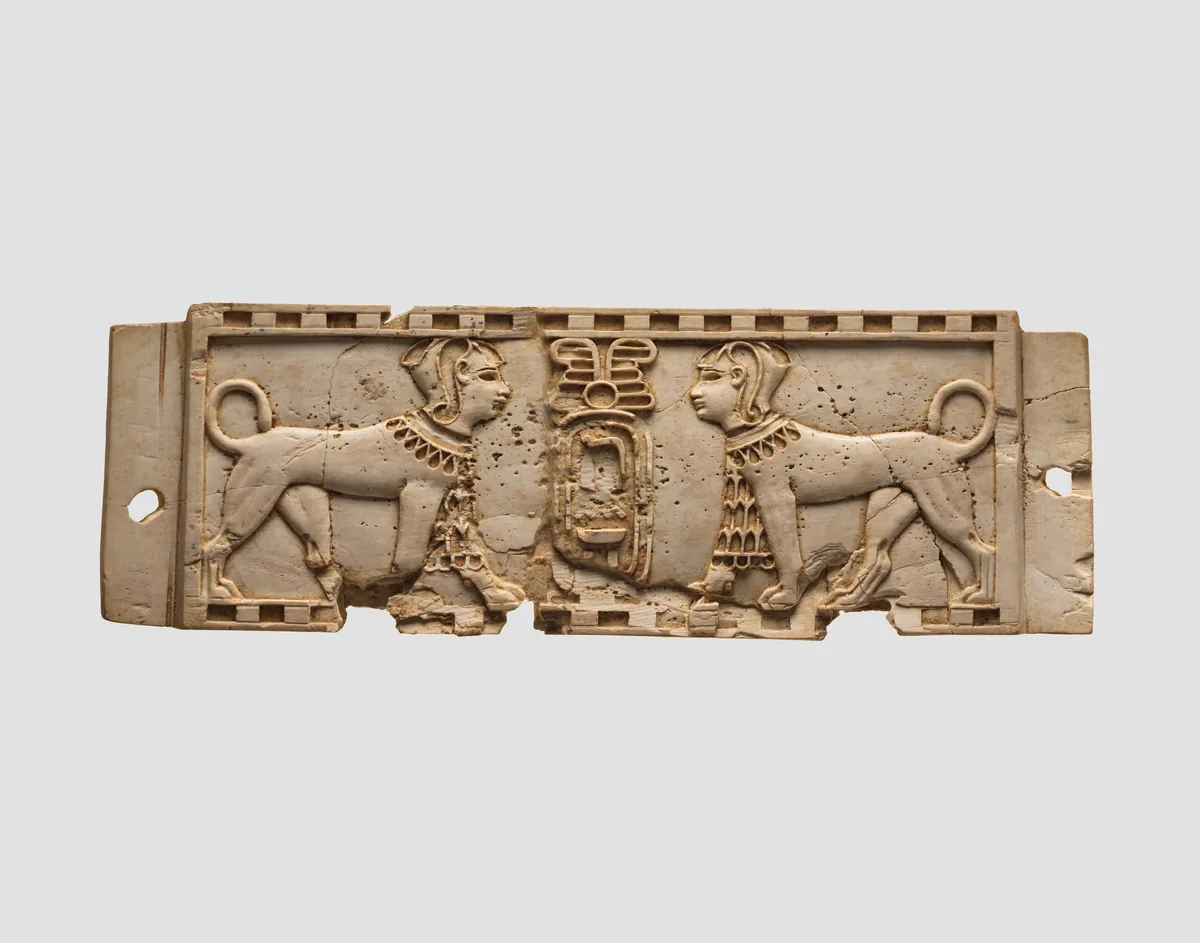
The photographed ivory in the Jerusalem article comes from Nimrud. It lets readers inspect material and workmanship but is not a photograph of the Jerusalem finds. The difference between an object's findspot and the article's subject is part of the evidence. A comparison must identify differences as well as similarities; shared material alone is insufficient.
Choose a reading route
Start with Jerusalem for craft in an urban setting, or with inscriptions for writing and recording. The dating guide explains why the end of a period cannot replace the date of a particular layer. Approximately 1200-586 BCE is our regional framework, not a uniform lifespan for every settlement. Chronological sources: C05, C06.