The frame
The site's range follows the chronology chart of the Met's timeline for Anatolia, 1000 B.C.-1 A.D., which lists the "Roman Republic, 133-27 B.C." and the "Roman empire, 27 B.C.-330 A.D.". Under 133 B.C. the same page records that Attalus III, king of Pergamon, bequeathed his realm to the Roman people, "providing Rome with its first foothold in Asia", and that western Asia Minor then became a Roman province; the overview adds that Emperor Augustus annexed Anatolia to Rome. UNESCO's page on Ephesus describes the same year as the one in which "Asia Minor was incorporated into the Roman Empire" and Ephesus was designated as the capital of the new province Asia. Sources 1, 2.
Boundaries and overlaps
The two sources differ on the scope of 133: the Met limits the year to western Asia Minor and gives the annexation of Anatolia to Augustus, while UNESCO speaks of Asia Minor as a whole and of the "Roman Empire", where the Met's chart lists the Republic until 27 B.C. The Met's next page, for 1-500 A.D., adds a third wording: "From 25 B.C. to 235 A.D., five Roman provinces are established in Anatolia: Asia, Bithynia, Pontus, Galatia, and Cappadocia", that is, it lists Asia among the provinces established within that span, not in 133. In the east, Hellenistic rule continued after 133, as the Hellenistic period page shows for Commagene. The capital of the province of Asia is disputed as well: UNESCO's page on Ephesus names Ephesus, and the site's articles on Ephesus and on Pergamon set the statement of the Pergamon page beside it. At the other end, 330 is where the Met's chart ends the "Roman empire" and where the site's Byzantine period begins. Sources 1, 2, 3.
On this site
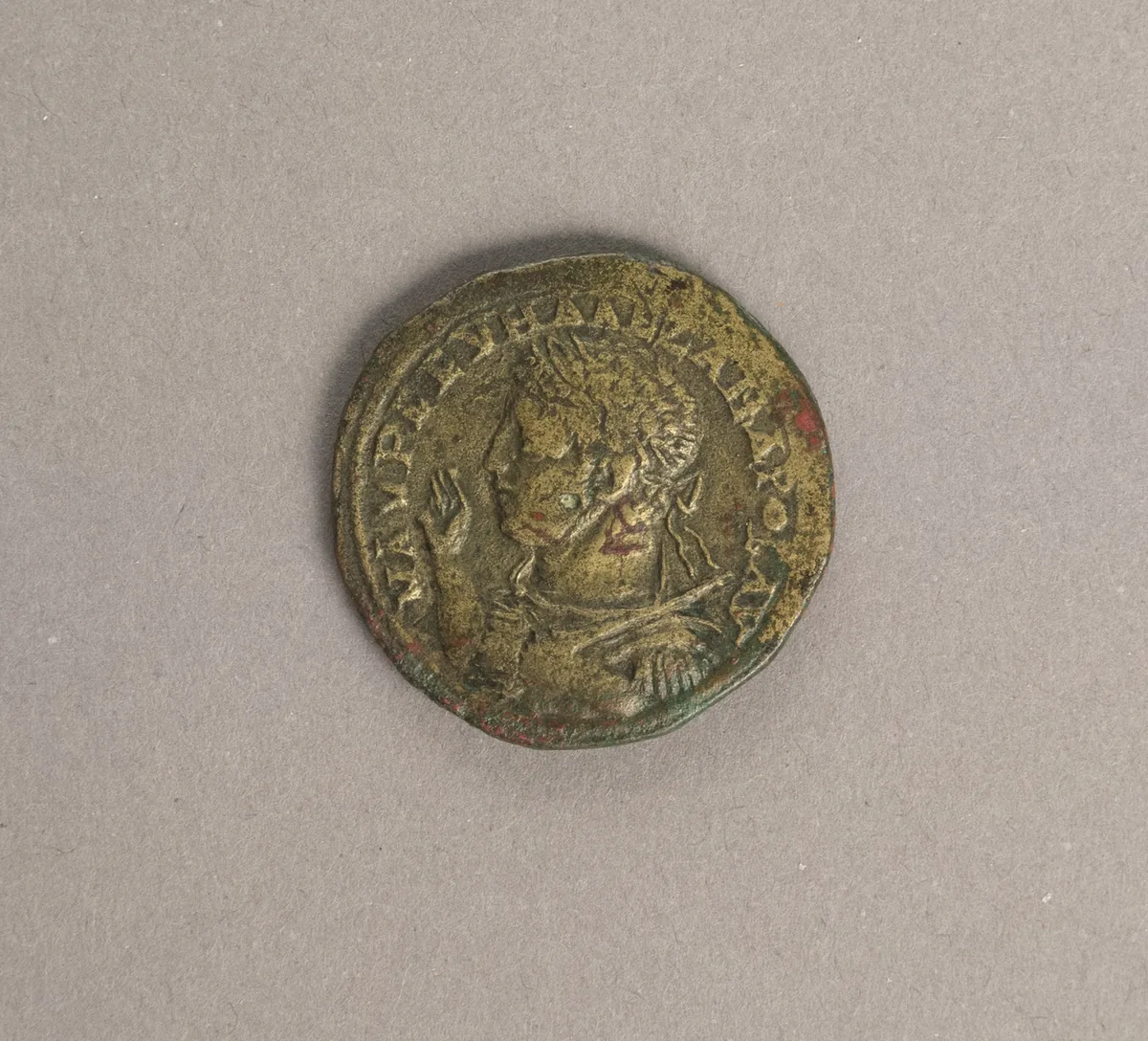
Three items are placed in this period. "Ephesus: a port city designated capital" deals with the designation of the city as capital of the province of Asia in 133 BCE, according to UNESCO, and with the port city and its monuments of the Roman Imperial period. "Aphrodisias: a city of marble and sculptors", also placed in the Hellenistic period, appears here for the buildings erected under Roman rule and the Sebasteion for the worship of Augustus and the Julio-Claudian emperors. "Bronze coin of Cyzicus" is an object already on the site: a civic coin struck at Cyzicus and held by The Metropolitan Museum of Art, placed in this period by the date in the museum's record.