METHOD GUIDE · EVIDENCE & INTERPRETATION
How to read archaeological research
A practical route from question to evidence and from evidence to interpretation. You do not need to know every technical term to begin reading carefully.
The explanations distinguish finds, interpretations and open questions. Sources appear at the end of the page.
Identify what you have
Record the title, authors, original volume year and a stable link. Check whether you are reading a full paper, abstract or announcement. Do not say that you checked the study if you only read a short news item. A website upload date can differ from the original publication year; this library keeps those distinctions.
Choose one question
Before reading, decide what you want to find out. What supports a proposed date? How was an object’s function identified? One question helps you select relevant sections without losing the context. An abstract can point towards the argument, while the evidence needed to assess it may sit in methods, illustrations or supplementary material.
Separate three kinds of claim
- Documentation: what was measured, photographed or recorded, and in which context?
- Analysis: how were the data grouped, compared or dated?
- Interpretation: which explanation was proposed, and what could distinguish alternatives?
This is an editorial reading method we suggest, not a universal peer-review standard. Try marking each kind of sentence differently in your own notes. If a sentence is hard to classify, return to the definition or source on which it depends.
Check the bridge
Look for the step between result and conclusion. Chronological-modelling guidance distinguishes data, prior information and model fit. Source: M02. Use that distinction as a question elsewhere too: what was added to the data to reach the explanation, and does the author state it explicitly?
Leave a trail for yourself
Finish with three lines: what I learned; what I could not verify; where to read next. Add a page number when you have full text, or say that the information came from an abstract. This is especially useful when comparing translations: preserve words such as “may” and “proposed” rather than turning them into certainty.
The articles here offer short examples of this approach. Their references lead to external publications; our explanations do not replace those authors’ data, illustrations or discussion.
Five repetitions are not five independent witnesses
Several pages repeating one announcement are not necessarily independent sources. Follow the citation chain to a paper, report or collection record. A secondary account may explain well, but repetition does not measure evidential strength. Check whether details were added without a reference to where they were first documented.
Draw a small map with a claim at the centre and supporting sources around it. If all lead to one abstract, the map contains one source and several distributions. Two studies of different material using different methods have another relationship. This prevents confidence based solely on repeatedly encountering a familiar story.
Figures, tables and text should concern the same sample
For a numerical conclusion, find the counted unit. Sherds, vessels, excavation units and samples are different things. Check whether a table covers everything or a selection. Specialist training is unnecessary for asking whether its caption, sample explanation and concluding sentence refer to the same group.
For slingstones, ask how uniformity was defined. For an inscription, ask which signs survive and which were restored. This is one reading skill applied to different materials: locating the small unit supporting the larger claim. Do not cite a table you could not access as though you checked it.
Useful criticism proposes a check
Instead of writing only “unconvincing”, identify the missing element: a dating source, a sample-selection explanation or separation of object and context. Ask what observation could change the account. Such criticism does not require knowing the answer in advance. It distinguishes limits of the evidence from limits of the text available to you.
If you read only an abstract, conclude “the material I read does not answer this”, not “the study ignores it”. The wording difference is small but the fairness difference substantial. It applies here too: our reading-scope notes show what was checked and where our educational explanation begins.
Source
Sources and further reading
The research and references behind this page. Rights to external content remain with their owners.
- M02
Radiocarbon Dating and Chronological Modelling: Bayesian Chronological Modelling
Alex Bayliss, Peter Marshall · 2022
Follow the next connection
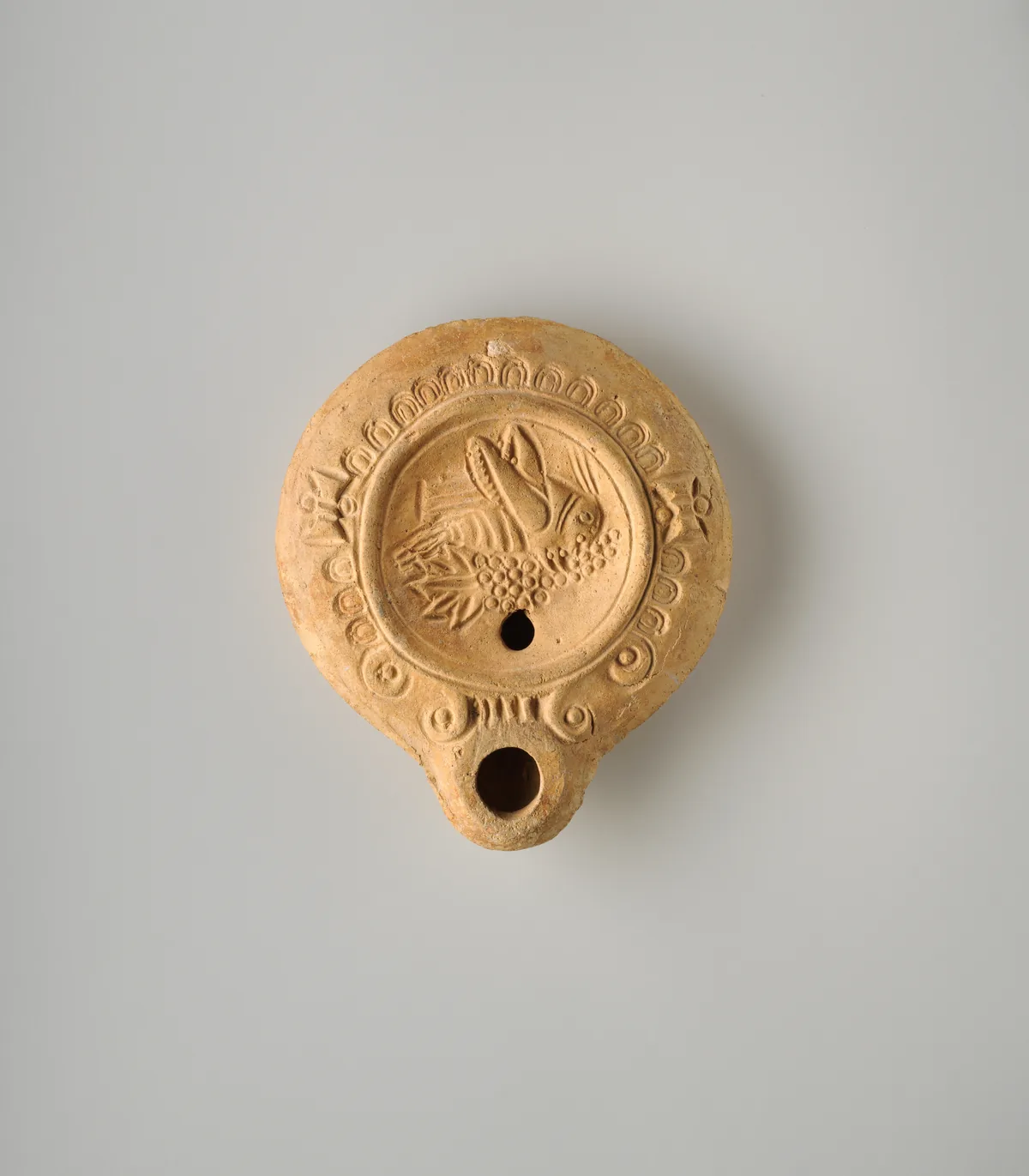
READING A FIND · NAZARETH
Nazareth: reading a settlement through its layers
What can a small excavation tell us about settlement, and why do successive layers not necessarily mean uninterrupted occupation?
4 min read, approximatelyRead the articleINSCRIPTION · JERUSALEM
Names and sums on a stone in Jerusalem
A short inscription opens a larger question about everyday life: how do we distinguish the surviving text from its proposed function?
3 min read, approximatelyRead the article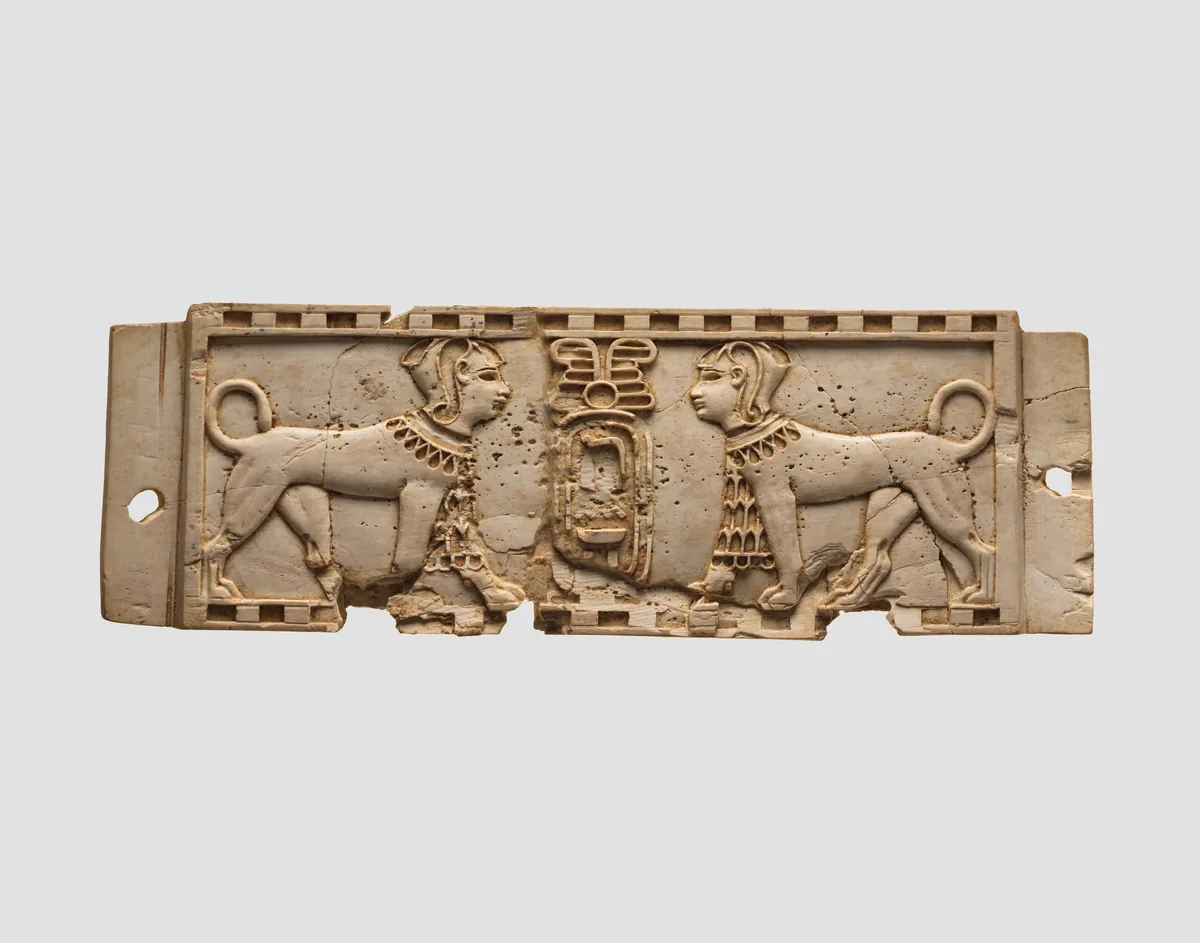
CRAFT & MATERIAL CULTURE · IRON AGE
Jerusalem ivories: craft, decoration and connections
Decorated ivory panels raise questions about choices, resources and shared traditions. Read the argument without inventing a name for the owner.
4 min read, approximatelyRead the articleANCIENT TECHNOLOGY · STONE
Slingstones: from repeated form to organised production
Assemblages from ‘En Ẓippori and ‘En Esur invite questions about organised work, proposed uses and the limits of evidence for conflict.
3 min read, approximatelyRead the articleMETHOD GUIDE · TIME & CONTEXT
How are archaeological finds dated?
A date connects a question, a sample and a method. A guide to reading ranges, comparisons and the strength of a chronological claim.
3 min read, approximatelyRead the article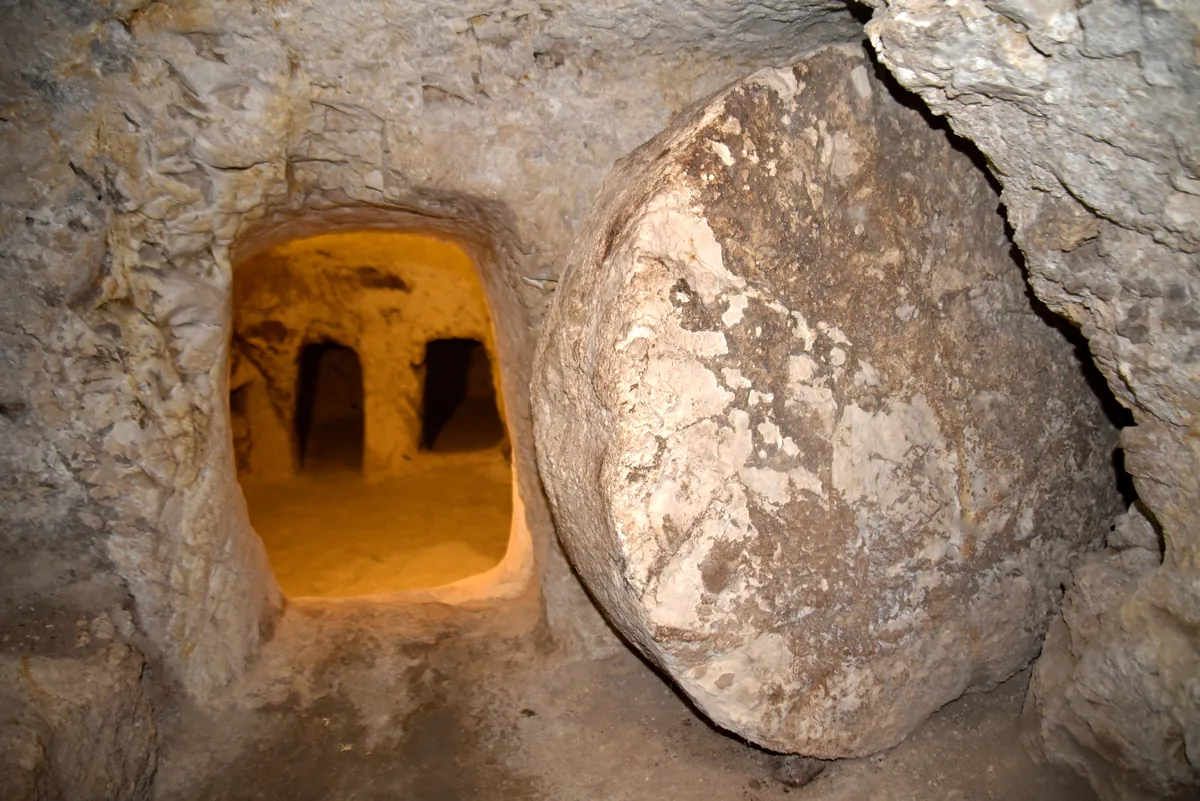
RESEARCH & METHOD
Reading layers: how an archaeological sequence is built
Floors, pits, fills and walls are evidence of actions. A worked example shows how their relationships form a sequence-and why a sequence is not yet a calendar.
3 min read, approximatelyRead the article