The site sets no cookies and runs no analytics or advertising. It can keep only two things in this browser: your decision here, so that you are not asked again, and, if you allow it, your reading adjustments (text size, contrast, spacing, underlined links and reduced motion) for your next visit.
Without this, adjustments apply to the current page only and reset when you move to another page. No name, identifier, timestamp or page list is stored, and nothing is sent to the server.
The decision itself is always stored, as one key in the browser’s local storage (atiqot.consent.v1), even when you choose not to save adjustments. You can change it at any time in the reading and privacy tools or through the link at the bottom of every page. Operational cookies of the hosting or security provider are outside the site’s control.
Selected case studies and useful reading questions: what was found, how was it studied and what follows from the evidence?
The articles and guides here connect case studies with methods: layers and dating, critical reading, pottery, coins, inscriptions and raw materials. Choose a question, then follow the sources and related reading. Checking an abstract is never presented as reviewing an entire paper.
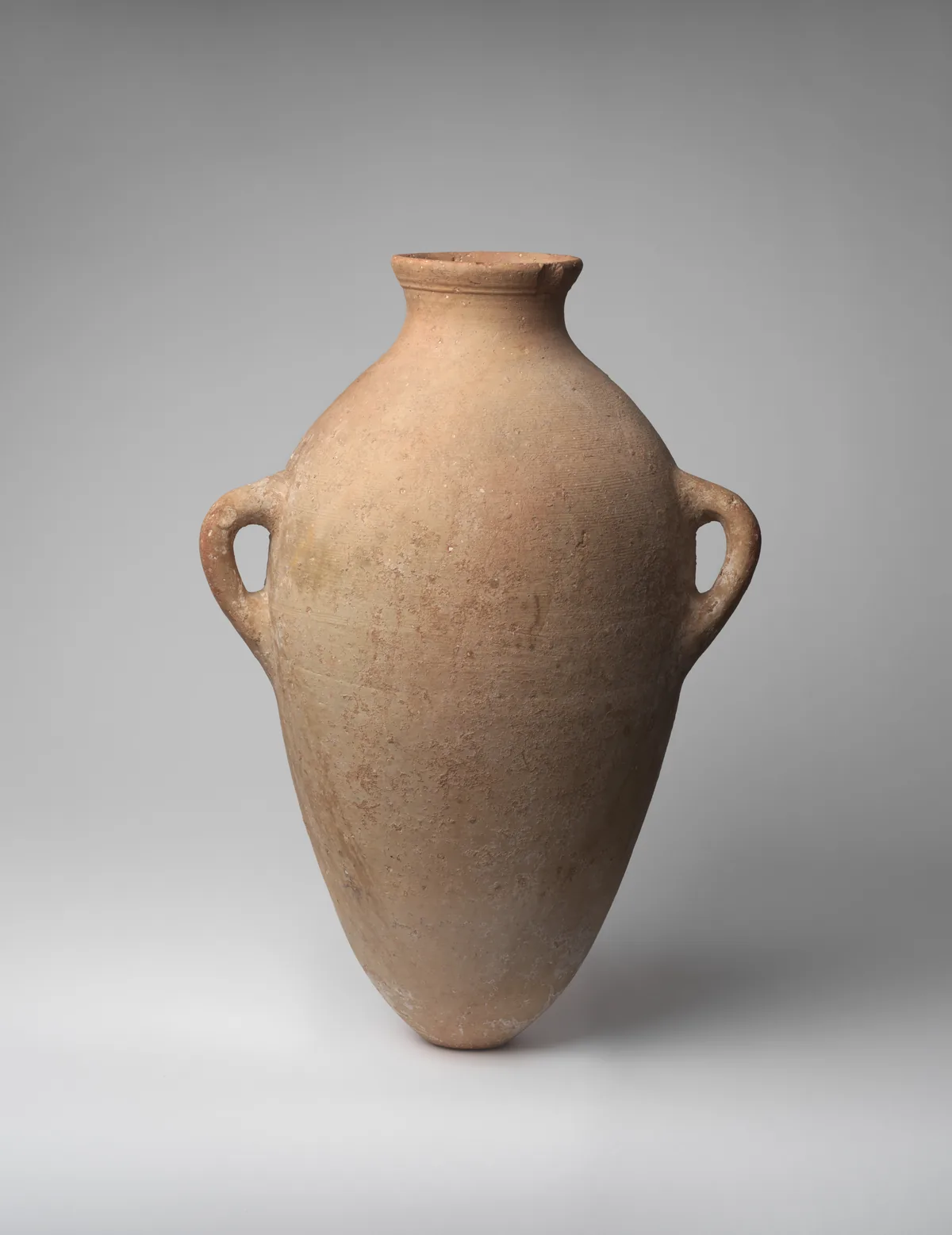
The Met's timeline lists Hazor among the city-states established in the southern Levant around 1800-1600 BCE. What that sentence tells us, and what it does not.
Six finds, six periods of the site's Levant scheme, one source per stop. The bar above the text marks where you are on the timeline as you read.
4 min read, approximately
Reading, accessibility & privacy tools
Adjust the reading experience to suit you. These tools complement your browser and device accessibility settings. Changes apply to this page; they are kept for another visit only if you allowed that in the privacy dialog.
Your choices apply to this page only. Moving to another page restores the defaults.