Object
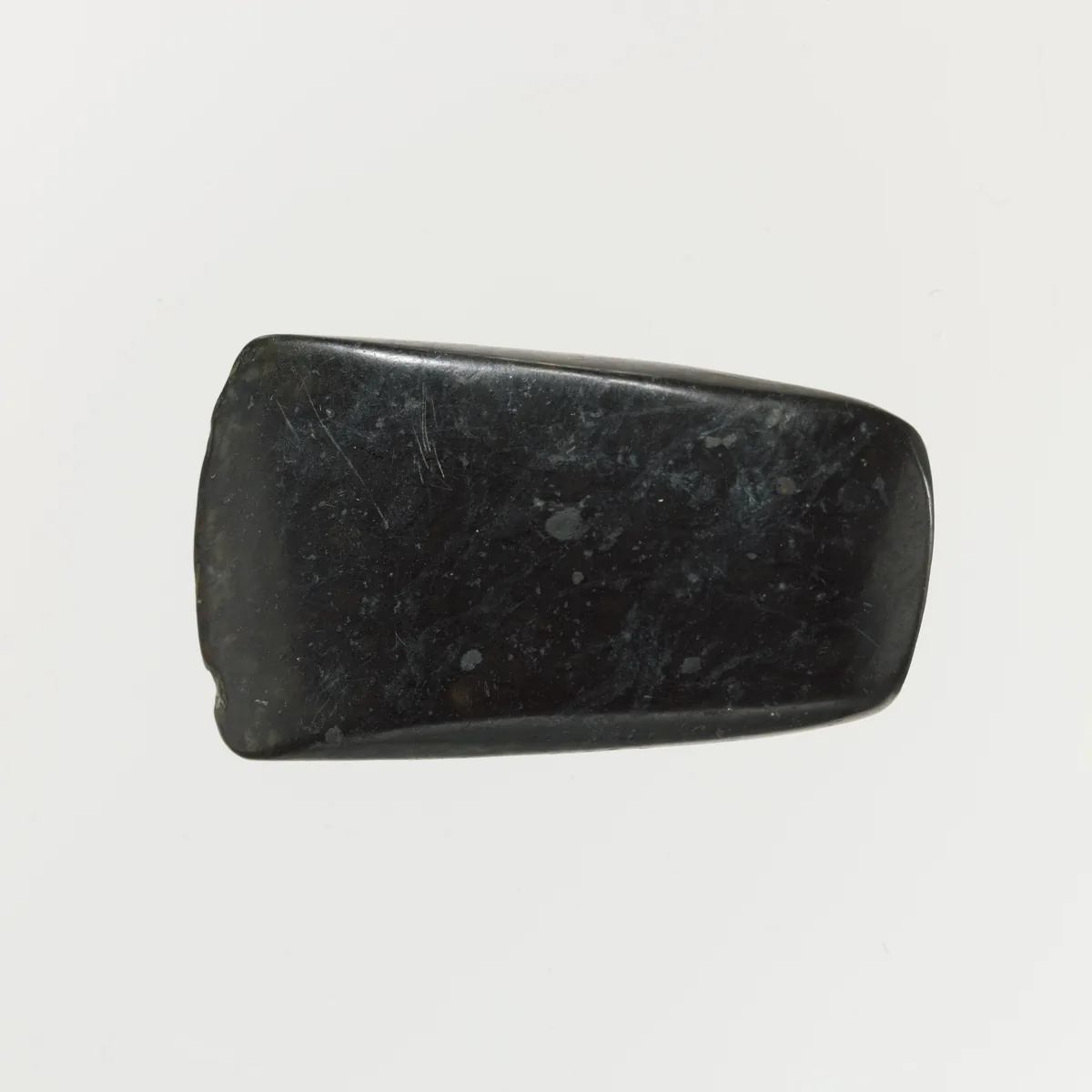
Small serpentinite axe from Crete
A polished stone tool less than five centimetres long, which the record describes in one word: "celt". A Neolithic object from Crete that recalls how long the Neolithic is outside the Levant too.
Discover through a particular object
A particular object, not a kind: every page here starts from a collection record, quotes its dating as worded, and separates what the record says from what can be inferred from it.
A kind of find describes a group: pottery, inscriptions, coins. An object is one item with a record number, a holder and a date as published by its source. Object pages keep three things apart: what you see, what the record says, and where the object is now. A field the source did not give stays empty.
Explore this section
Filters combine, and the address keeps the selection: refresh it, share it, come back to it.
8 objects Order: by the source's normalised date, earliest first; objects without a placeable range come last.
Object
A polished stone tool less than five centimetres long, which the record describes in one word: "celt". A Neolithic object from Crete that recalls how long the Neolithic is outside the Levant too.
Object
A one-centimetre amulet of glazed faience found in the debris of a tomb at Lisht South. The record documents an exact findspot and a display in Gallery 109; what it lacks is an open photograph.
Text frame in place of a photograph
Blue-green glazed faiencel. 1 cm (3/8 in)
The source record has no image
Object
A small seal-amulet of glazed steatite that the museum records "From Canaan, Levant" and dates by an Egyptian dynasty. Place, dating scheme and culture are three separate questions here.
Object
An uninscribed limestone figurine found in the tomb of Sennedjem at Deir el-Medina in the excavations of 1885-86. The museum dates it to the reign of Ramesses II and displays it in Gallery 126.
Object
A turquoise-green glass jug 9.5 cm high, blown in a four-part mold. The record documents the mold seams on the vessel but does not say where the jug came from; it is therefore recorded in the region "place not stated".
Object
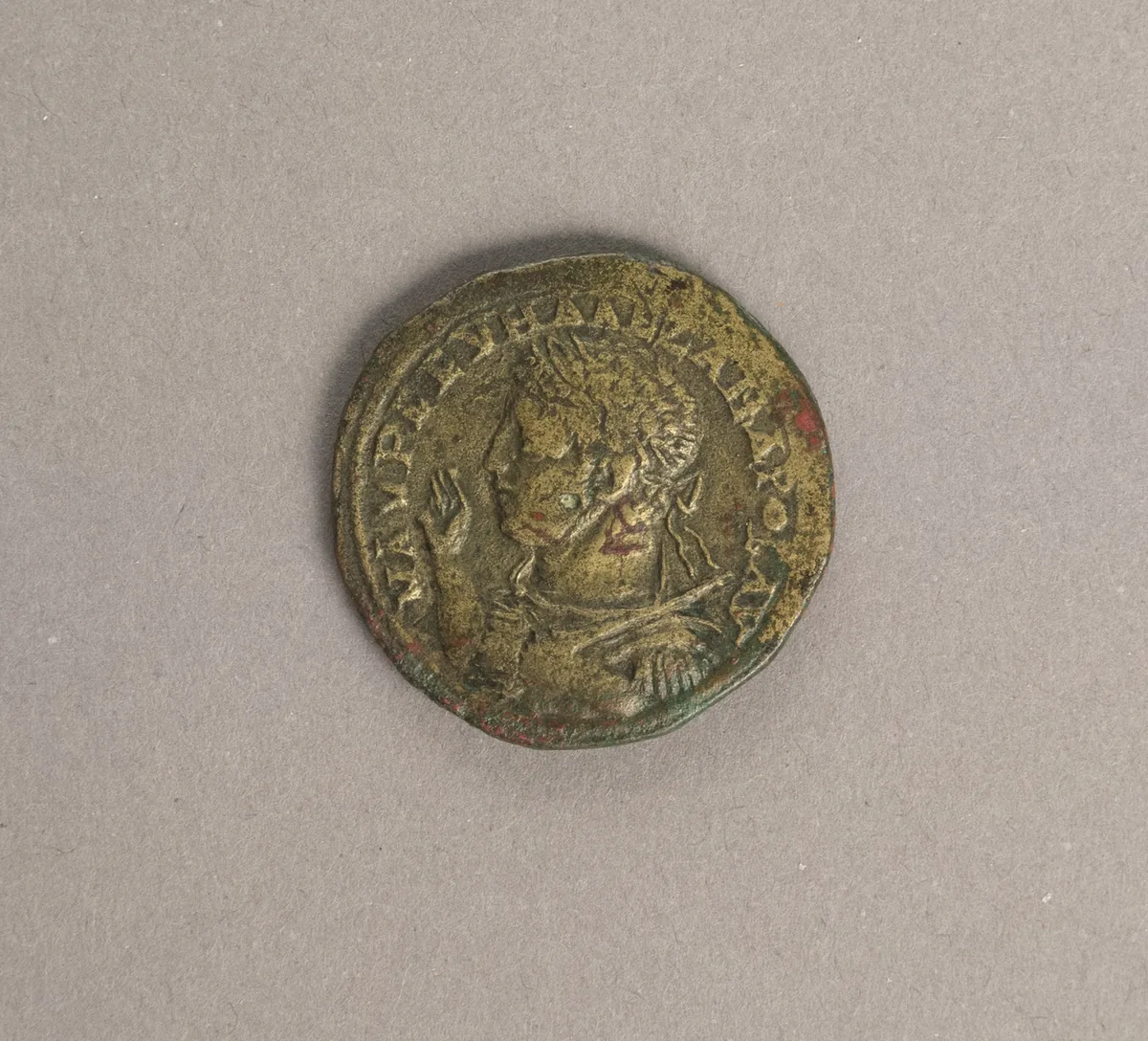
A Roman civic coin from Asia Minor: a bust of Alexander Severus on one side, a table with imperial busts and sacrificial implements on the other. The coin that accompanies the article on coins and hoards as a comparison, not as a coin from the hoard.
Object
A small blue-green glass jug with blue trails around the rim and neck. The record gives a three-century range that crosses the site's boundary between "Roman" and "Byzantine", so the jug is not placed on the timeline.
Object
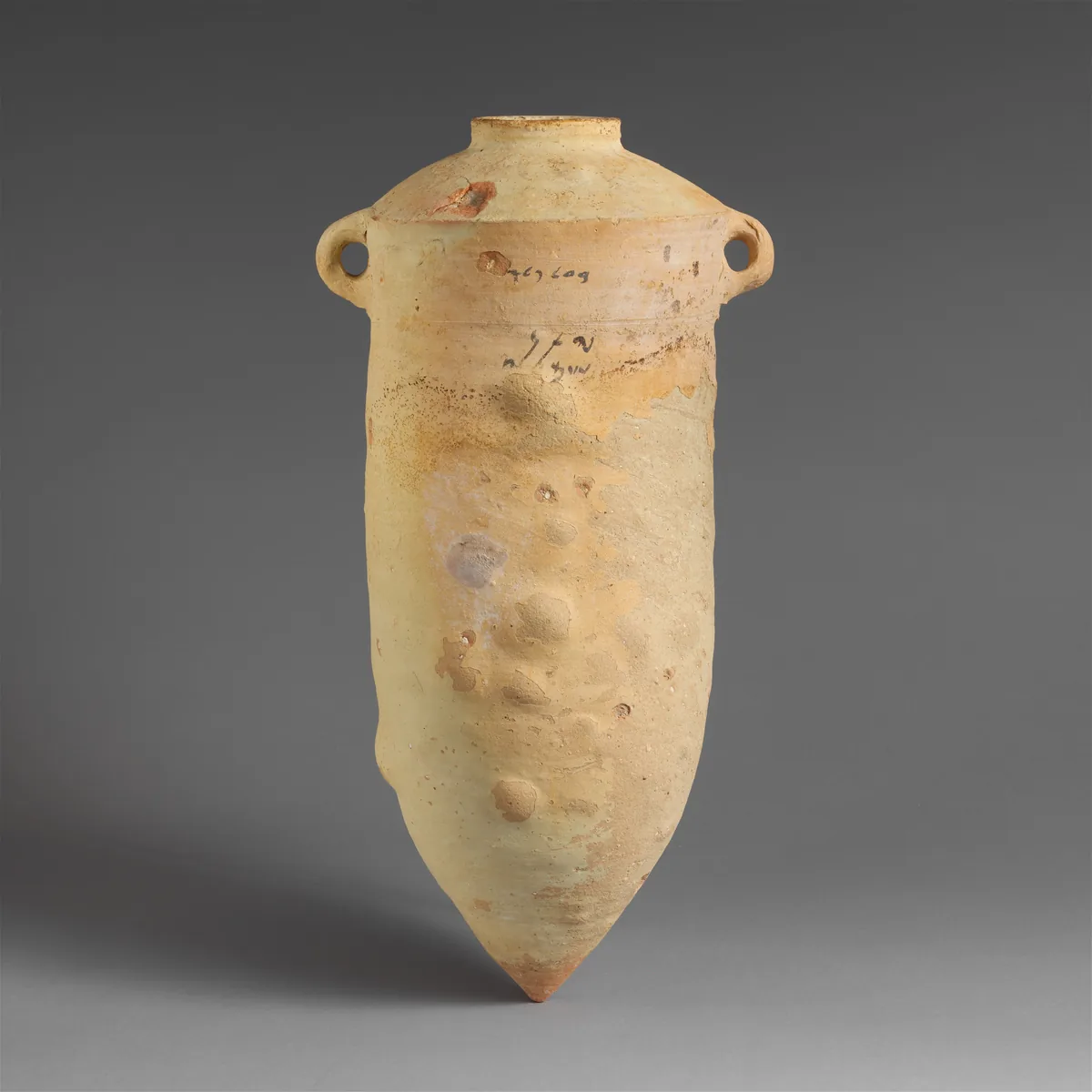
A Cypriot vessel, a Phoenician inscription and a findspot nobody recorded: one object that teaches us to separate what is written on it from where it came from.
Adjust the reading experience to suit you. These tools complement your browser and device accessibility settings. Changes apply to this page; they are kept for another visit only if you allowed that in the privacy dialog.
Your choices apply to this page only. Moving to another page restores the defaults.