PERIOD GUIDE
The Late Pottery Neolithic: an open boundary
How to use cultural labels without turning them into peoples, and how to read dates when studies classify similar assemblages differently.
A period this culture spans
Archaeological culture · The Levant
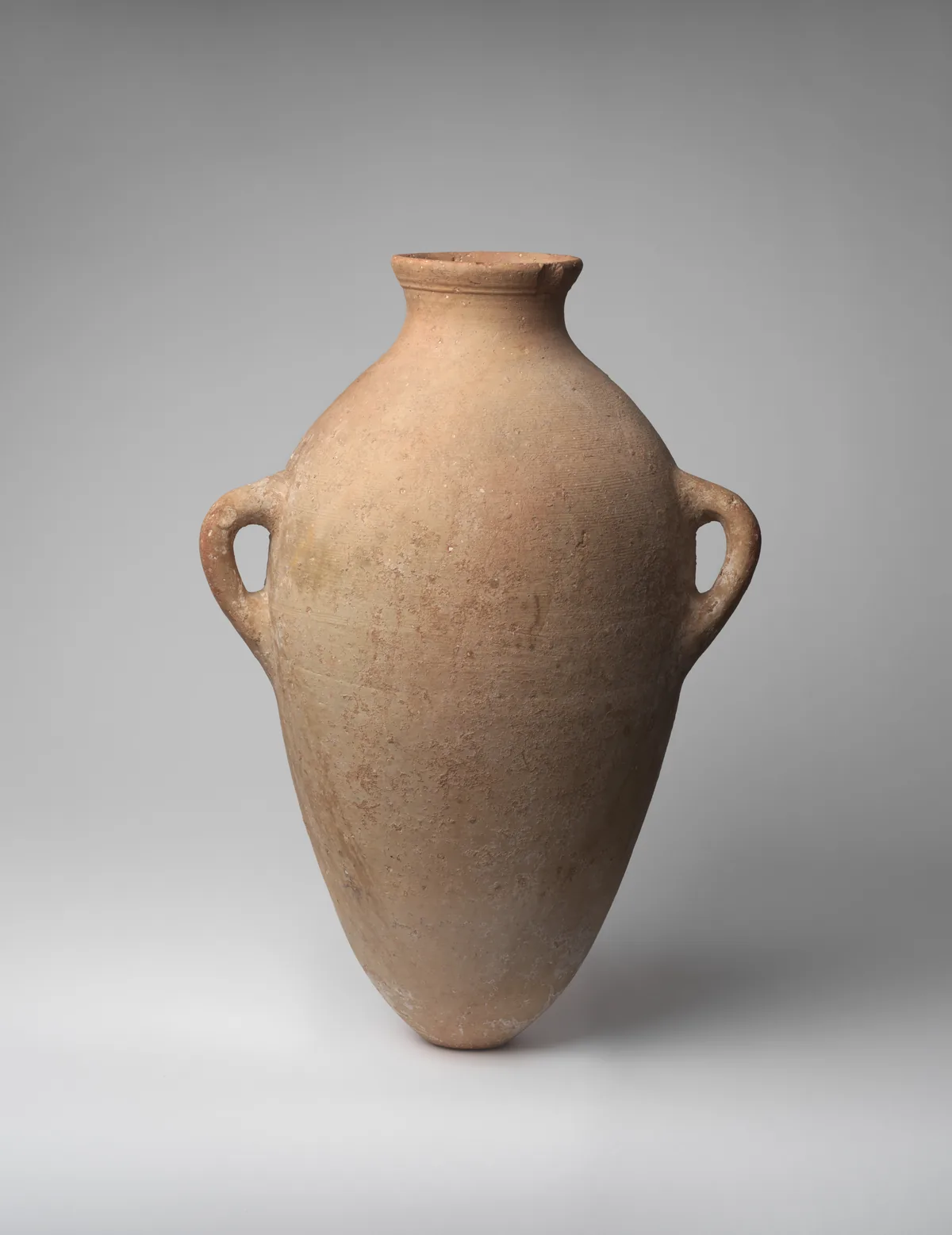
The same assemblage of vessels appears on the site under two period pages. That is not a duplicated mistake but two classification frameworks, and the culture is the way to read them together.
About 5650 to 4850 BCE, per the two period pagesThe culture’s area per the records
Schematic map: simplified coastlines, not to scale; positions follow the cited records.
Move through the periods
The culture spans more than one period of the regional scheme; the timeline marks them all.
"Wadi Rabah" is the name of an archaeological culture: a group of assemblages from the southern Levant that researchers unite by vessel forms, material working and site contexts. The name makes sites comparable; it is not evidence that everyone using these vessels spoke one language or saw themselves as one community. The site's Late Pottery Neolithic page explains this distinction in detail. Sources 1, 2.
The literature does not always use the same name: one study includes Wadi Rabah in the Pottery Neolithic, another calls it Early Chalcolithic. The site therefore has two sub-period pages with the same approximate range, about 5650 to 4850 BCE. This page does not decide between the two frameworks; it marks the culture across both periods of the Levant scheme and points to both pages, so the reader knows they concern the same assemblages. Source 1.
The numeric range derives from calibrated dates in source 1 (7600/7500 to 6800 calibrated years before 1950), converted to BCE approximately. It serves orientation, not measurement: two reports may call the same layer by different names and still agree on its age. When names differ but sample dates overlap, the disagreement is about classification, not about time.
The site does not yet hold a documented object whose source record attributes it to Wadi Rabah; the culture's object list is therefore empty, and was not filled with a "probable" example. The article on the slingstones from En Zippori and En Esur, linked here, discusses assemblages from the same time range and shows how to test the uniformity of a group of objects without assuming it proves identity.
Source
The research and references behind this page. Rights to external content remain with their owners.
Doron Yacobi, Avi Gopher · 2023 · Checked
Yosef Garfinkel, Florian Klimscha, Sariel Shalev, Danny Rosenberg · 2014 · Checked
Continue from here
Every card comes from a documented relation or an editorial link. The reason line explains the connection.
PERIOD GUIDE
How to use cultural labels without turning them into peoples, and how to read dates when studies classify similar assemblages differently.
A period this culture spans
PERIOD GUIDE
An exploration of classification, imported objects and local production. Overlapping dates can reflect different definitions rather than a dating error.
A period this culture spans
PERIOD GUIDE
Village life through buildings, tools, seeds and burial: a guide to a long transformation that cannot be reduced to a single date.
Editorial link.
PERIOD GUIDE
Copper alongside stone, wall painting alongside tools: reading society through production, use and unequal preservation.
Editorial link.
ANCIENT TECHNOLOGY · STONE
Assemblages from ‘En Ẓippori and ‘En Esur invite questions about organised work, proposed uses and the limits of evidence for conflict.
Editorial link.
KINDS OF FINDS
Read a sherd as part of an assemblage, and ask why a similar shape is only the beginning of identification.
Editorial link.
Adjust the reading experience to suit you. These tools complement your browser and device accessibility settings. Changes apply to this page; they are kept for another visit only if you allowed that in the privacy dialog.
Your choices apply to this page only. Moving to another page restores the defaults.